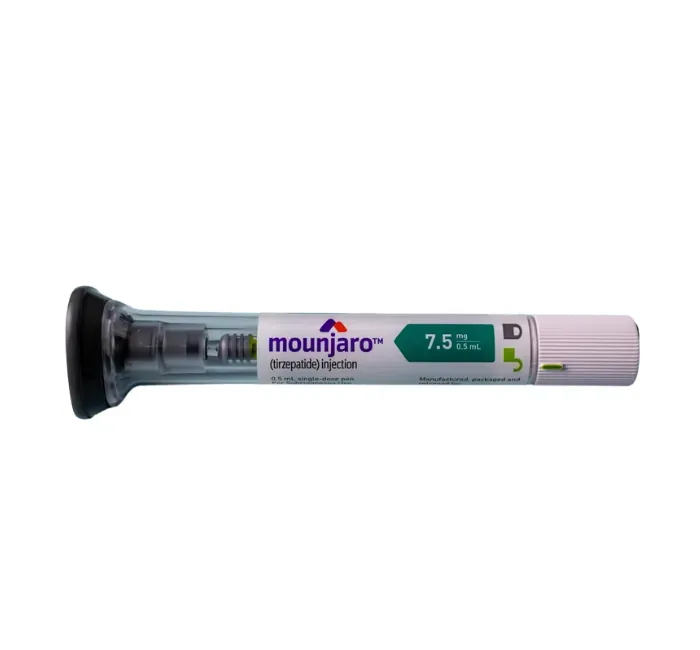
Mounjaro: 7 Important Facts About Tirzepatide, Benefits, and Risks
Introduction
Mounjaro is a prescription medicine containing tirzepatide, an injectable treatment that helps manage type 2 diabetes. It works by activating two hormone receptors involved in blood glucose regulation and appetite signalling. Clinical studies have also shown weight reduction in many adults using the medicine, although its approved indications depend on the country and product label.
In the United States, Mounjaro is approved to improve blood sugar control in adults and children aged 10 years and older with type 2 diabetes, alongside diet and exercise. Its current U.S. prescribing information also includes reducing major cardiovascular risks in eligible adults with type 2 diabetes. Mounjaro is not the same brand as Zepbound, which is used for certain weight-management indications in the United States.
Understanding its uses, possible side effects, interactions, and warnings can help patients have informed discussions with their healthcare professionals.
1. What Is Mounjaro?
Mounjaro contains tirzepatide, a medicine that activates both glucose-dependent insulinotropic polypeptide (GIP) and glucagon-like peptide-1 (GLP-1) receptors. These pathways help regulate blood glucose and influence appetite and digestion.
Mounjaro is supplied as an injectable prescription medicine. Available strengths and delivery devices may vary by market, so patients should check the exact product information provided with their prescription.
The medicine is not intended for unsupervised use or as a substitute for professional diabetes care. A healthcare professional should assess a patient’s medical history, current medicines, treatment goals, and potential contraindications before prescribing it.
2. What Is Mounjaro Used For?
Mounjaro is used with diet and exercise to improve blood glucose control in people with type 2 diabetes. In the United States, it is approved for adults and children aged 10 years and older for this purpose.
Current U.S. prescribing information also includes reducing the risk of major adverse cardiovascular events in adults with type 2 diabetes who are at high risk for these events.
Although many adults experience weight reduction while taking tirzepatide, weight loss should not be confused with Mounjaro’s approved indication in every country. Other tirzepatide products may have separate weight-management approvals. Patients should verify the locally approved product and indication with a licensed healthcare professional.
Mounjaro does not replace a comprehensive diabetes plan, which may include nutrition changes, physical activity, monitoring, and other prescribed medicines.
3. How Does Tirzepatide Work?
Tirzepatide activates GIP and GLP-1 receptors, which play important roles in glucose regulation and appetite signalling.
Its effects include:
- Increasing insulin release when blood glucose is elevated.
- Reducing glucagon release in a glucose-dependent manner.
- Slowing stomach emptying.
- Influencing appetite and food intake.
These effects can improve blood glucose levels and may contribute to weight reduction. Individual responses vary, and the medicine does not cure type 2 diabetes.
Patients should continue their recommended monitoring and medical appointments. Any changes to other diabetes treatments should be made with professional guidance.
4. Potential Benefits and Limitations
For suitable patients, Mounjaro may offer several benefits:
- Improved blood glucose control.
- Potential reductions in HbA1c, a measure of average blood glucose.
- Weight reduction in many adults during treatment.
- Reduced cardiovascular risk for eligible adults covered by the current U.S. indication.
However, benefits are not guaranteed, and results differ among individuals. Treatment may be limited by side effects, other health conditions, or interactions with existing medicines.
Long-term diabetes management still involves regular follow-up, nutrition, physical activity, and attention to other cardiovascular risk factors. A healthcare professional can evaluate whether the medicine is meeting treatment goals and whether the plan needs adjustment.
5. Possible Side Effects and Serious Warnings
The most common side effects of Mounjaro include nausea, diarrhoea, reduced appetite, vomiting, constipation, indigestion, and abdominal pain. Gastrointestinal symptoms may occur during treatment and can sometimes be severe.
Important warnings include:
- Thyroid C-cell tumour risk: Tirzepatide caused thyroid C-cell tumours in rats. It is unknown whether this risk applies to humans. Under U.S. prescribing information, Mounjaro is contraindicated for people with a personal or family history of medullary thyroid carcinoma or multiple endocrine neoplasia syndrome type 2 (MEN 2).
- Pancreatitis: Persistent severe abdominal pain, especially with vomiting, requires urgent medical evaluation.
- Gallbladder disease: Gallstones and gallbladder inflammation have been reported.
- Dehydration and kidney problems: Persistent vomiting or diarrhoea may cause fluid loss and affect kidney function.
- Low blood glucose: The risk increases when Mounjaro is combined with insulin or certain other diabetes medicines.
- Serious allergic reactions: Facial or throat swelling and breathing difficulty require emergency care.
Seek prompt medical advice for severe or persistent symptoms. Always discuss your health history with the prescribing clinician before starting treatment.
6. Interactions and Important Precautions
Mounjaro slows stomach emptying and may affect the absorption of some oral medicines. Tell your healthcare professional about every prescription medicine, non-prescription product, and supplement you take.
Extra care may be needed when Mounjaro is used with insulin or sulfonylureas because of the risk of hypoglycaemia. The treatment plan may require monitoring or adjustment by the prescriber.
Tirzepatide may also affect oral contraceptive reliability. Under U.S. prescribing information, people using oral hormonal contraception are advised to use a non-oral method or add a barrier method for four weeks after starting treatment and for four weeks after each dose increase.
Discuss pregnancy, breastfeeding, planned surgery, severe digestive problems, and a history of pancreatitis with a healthcare professional. Tell the surgical team if you use tirzepatide because delayed stomach emptying can be relevant to anaesthesia and sedation.
7. Safe Use and Product Verification
Mounjaro should be used only as prescribed and according to the official instructions for the exact device supplied. Patients should not change their treatment schedule, combine it with another tirzepatide product, or alter other diabetes medicines without medical guidance.
Use medicine obtained from a licensed pharmacy and check the packaging, manufacturer, batch information, expiry date, and storage instructions. Counterfeit or improperly stored injectable products may not be safe or effective.
Never share an injection pen between patients, even if the needle is changed. If the product’s source, appearance, or storage history is uncertain, ask a pharmacist before using it.
Frequently Asked Questions
What is Mounjaro used for?
Mounjaro is a prescription tirzepatide injection used with diet and exercise to improve blood glucose control in type 2 diabetes. Current U.S. prescribing information also includes cardiovascular risk reduction for certain adults with type 2 diabetes.
Does Mounjaro cause weight loss?
Many adults experience weight reduction while taking Mounjaro. However, weight loss is not the same as its approved indication in every country. Ask a clinician which locally approved treatment is appropriate for your needs.
What are the most common side effects?
Nausea, diarrhoea, reduced appetite, vomiting, constipation, indigestion, and abdominal pain are among the most common side effects.
Who should not use Mounjaro?
Under U.S. prescribing information, it is contraindicated in people with a personal or family history of medullary thyroid carcinoma, MEN 2, or a serious hypersensitivity to tirzepatide or its ingredients. A clinician should assess other risks and precautions.
Can Mounjaro be combined with other diabetes medicines?
It may be prescribed alongside certain other diabetes treatments, but combinations can affect blood glucose and side-effect risks. Only a qualified healthcare professional should determine the appropriate combination.
Conclusion
Mounjaro contains tirzepatide, a medicine that activates GIP and GLP-1 receptors to help improve blood glucose control in type 2 diabetes. It may also contribute to weight reduction, but treatment requires medical supervision because of gastrointestinal side effects, potential interactions, and serious safety warnings. Patients should verify their product, follow professional advice, and maintain regular diabetes care.
Medical disclaimer: This article is for educational purposes only and does not replace professional medical advice, diagnosis, or treatment. Mounjaro is a prescription medicine. Do not start, change, or discontinue treatment without guidance from a qualified healthcare professional.
References
- U.S. Food and Drug Administration. Mounjaro (tirzepatide) Prescribing Information.
- Eli Lilly. Official Mounjaro Information and Safety.
- Eli Lilly. Mounjaro Frequently Asked Questions.


Reviews
There are no reviews yet.