Buy Alli Capsules: 7 Essential Facts About Weight Loss and Safety
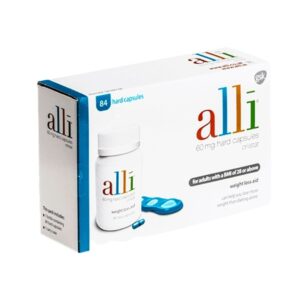
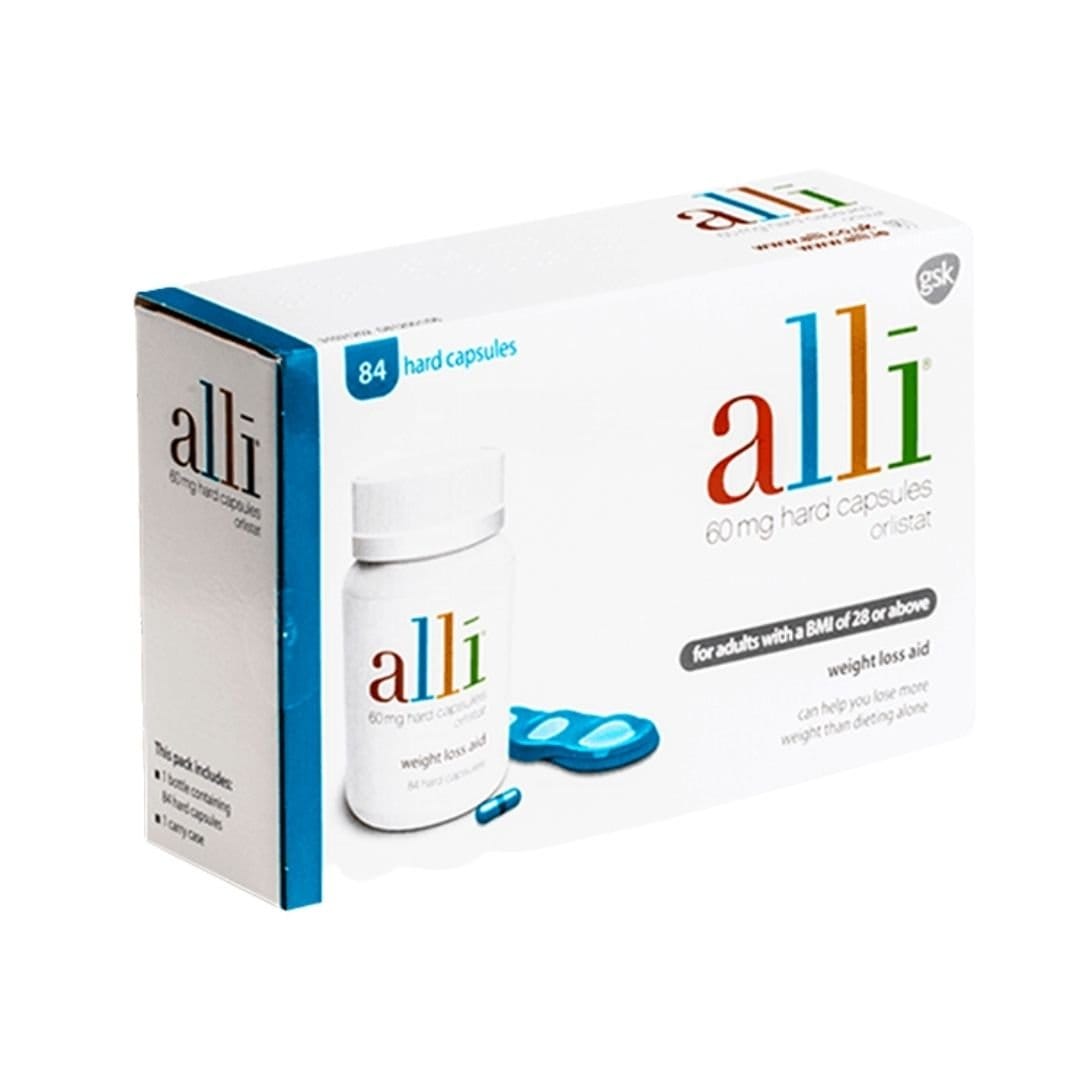
If you are researching Buy Alli Capsules, understanding how this weight-management medicine works, its potential benefits, and its safety precautions is essential. Alli contains orlistat 60 mg, an active ingredient that reduces the amount of dietary fat absorbed by the digestive system. In the United States, it is approved for weight loss in overweight adults aged 18 and older when combined with a reduced-calorie, low-fat diet. <Cite refs={[“turn377578search0″,”turn377578search2”]}/>
Alli is not an appetite suppressant, and it does not guarantee weight loss. Before using it, review the product information and speak with a healthcare professional, particularly if you have existing medical conditions or take prescription medicines.
1. Buy Alli Capsules: What Is Alli?
Alli is a nonprescription weight-loss medicine containing orlistat 60 mg per capsule in the United States. It is intended to support weight management alongside dietary changes and physical activity. Availability and authorization may differ by country. <Cite refs={[“turn377578search2″,”turn377578search5”]}/>
Unlike medicines that primarily affect appetite, Alli works in the digestive tract. It helps prevent some of the fat in food from being broken down and absorbed.
Alli should not be considered a replacement for healthy eating or a comprehensive weight-management plan. Its suitability depends on factors such as age, weight, medical history, and other medicines.
2. How Do Alli Capsules Work?
The active ingredient, orlistat, inhibits enzymes called lipases that help break down dietary fat. As a result, some of the fat consumed in food passes through the digestive system without being absorbed. <Cite refs={[“turn377578search0″,”turn377578search10”]}/>
Because Alli acts on dietary fat absorption, its effects depend partly on eating habits. It does not directly burn stored body fat, and taking it without appropriate dietary changes may limit its usefulness.
A balanced, reduced-calorie eating plan and regular physical activity remain important parts of weight management. Follow the official package instructions and seek professional advice if you are unsure whether this medicine is appropriate for you.
3. Who May Be Eligible to Use Alli?
In the United States, Alli is approved for overweight adults aged 18 and older who use it alongside a reduced-calorie, low-fat diet. The official label says it should not be used by people who are not overweight. <Cite refs={[“turn377578search2″,”turn377578search9”]}/>
A pharmacist or healthcare professional can help assess whether a weight-management medicine is appropriate and whether another approach would be safer.
Alli should not be used by people who have had an organ transplant or who take cyclosporine. It is also unsuitable for people with certain conditions that prevent normal absorption of nutrients from food, or for anyone allergic to its ingredients. <Cite refs={[“turn377578search2″,”turn377578search6”]}/>
4. What Are the Potential Benefits?
For eligible adults, Alli can support weight loss when combined with a reduced-calorie diet. By reducing dietary fat absorption, it offers a different approach from medicines that primarily influence appetite. <Cite refs={[“turn377578search0″,”turn377578search10”]}/>
However, results vary from person to person. The medicine is not a guarantee of a particular amount of weight loss, and it does not remove the need for sustainable dietary habits or physical activity.
People who experience little benefit, troublesome side effects, or difficulty following the treatment plan should consult a healthcare professional to review their options.
5. What Side Effects Can Alli Cause?
Because orlistat affects fat absorption in the digestive tract, common side effects include oily stools, gas with discharge, increased bowel movements, and difficulty controlling bowel movements. These effects may be more noticeable after meals containing more fat. <Cite refs={[“turn377578search5″,”turn377578search6”]}/>
A significant safety update occurred in June 2026: the US FDA strengthened the Alli label to warn about rare cases of acute kidney injury and kidney-stone complications. People with a history of kidney disease or kidney stones should consult a healthcare professional before use. <Cite refs={[“turn377578search0″,”turn377578search1”]}/>
Stop using Alli and seek medical advice if you develop possible kidney-injury symptoms, such as back or groin pain, painful urination, blood in the urine, swelling in the legs or feet, or urinating less frequently.
6. What Medicines and Health Conditions Require Extra Care?
Orlistat can affect the absorption or effectiveness of certain medicines and nutrients. Before using Alli, tell your healthcare professional about all prescription medicines, nonprescription medicines, and supplements you take.
The official US label warns against using Alli with cyclosporine and advises seeking medical guidance about certain other medicines. It also recommends consulting a doctor before use if you have a history of gallbladder problems, kidney disease or kidney stones, or pancreatitis. <Cite refs={[“turn377578search6″,”turn377578search9”]}/>
Orlistat can reduce the absorption of fat-soluble vitamins. Follow the package instructions concerning vitamin supplementation and timing, and ask a pharmacist if you are uncertain about potential interactions.
Do not use Alli during pregnancy for weight loss, and seek professional guidance if you are pregnant, breastfeeding, or managing a chronic condition.
7. How to Buy Alli Capsules Safely
If Alli is appropriate for you, obtain it from a legitimate pharmacy or reputable authorized retailer. Verify local regulations, product packaging, expiry information, and the instructions supplied with the medicine.
Avoid sellers that make unrealistic weight-loss promises or offer products with unclear ingredients or packaging. A low price or online testimonial does not establish that a medicine is genuine.
Read the complete product label before use. If you have kidney problems, a history of kidney stones, an organ transplant, or take medicines that may interact with orlistat, consult a healthcare professional before starting treatment.
Frequently Asked Questions
What is the active ingredient in Alli Capsules?
Alli contains orlistat 60 mg per capsule in the US-approved formulation. <Cite refs={[“turn377578search2”]}/>
Do Alli Capsules suppress appetite?
No. Orlistat works primarily by reducing the absorption of dietary fat in the digestive tract rather than directly suppressing appetite. <Cite refs={[“turn377578search0″,”turn377578search10”]}/>
What are the common side effects?
Common effects include oily stools, gas with discharge, increased bowel movements, and difficulty controlling bowel movements. <Cite refs={[“turn377578search5″,”turn377578search6”]}/>
Can Alli affect kidney health?
Rare kidney injury and kidney-stone complications have been reported. The FDA strengthened the US label in June 2026 to highlight these risks. People with kidney disease or previous kidney stones should seek medical advice before use. <Cite refs={[“turn377578search0”]}/>
Does Alli replace diet and exercise?
No. It is intended to be used alongside a reduced-calorie, low-fat diet and broader lifestyle measures. <Cite refs={[“turn377578search2″,”turn377578search5”]}/>
Conclusion
Alli Capsules contain orlistat 60 mg and can support weight loss in eligible adults when combined with dietary changes. Before searching for Buy Alli Capsules, understand how the medicine works, its digestive side effects, potential drug interactions, and the updated warnings about kidney injury. A legitimate source, careful label review, and appropriate professional guidance are important for safe use.
Medical disclaimer: This article is for educational purposes only and is not a substitute for professional medical advice, diagnosis, or treatment. Product authorization and availability vary by country. Consult a qualified healthcare professional and follow the official product information applicable to your location.