Synedica Biotin: 7 Essential Facts About Vitamin B7 and Safety
If you are researching Synedica Biotin, it is important to understand what biotin is, what scientific evidence says about its benefits, and what safety questions to consider. Biotin, also known as vitamin B7, is a water-soluble vitamin that helps the body process carbohydrates, fats, and proteins. It is found naturally in foods such as eggs, fish, nuts, seeds, and certain vegetables. <Cite refs={[“turn445635search0″,”turn445635search1”]}/>
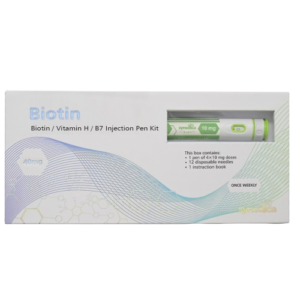
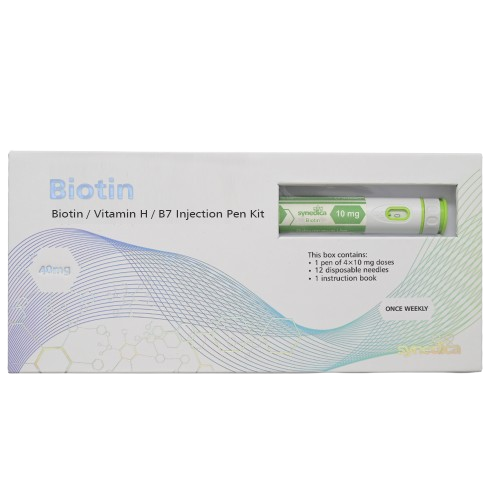
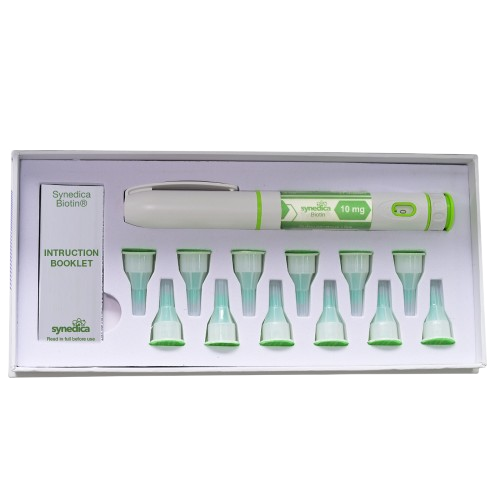
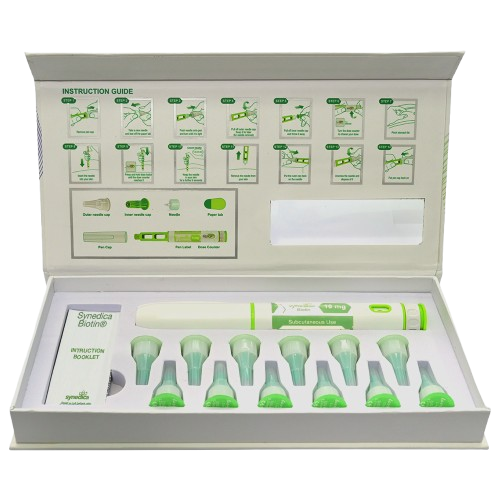
Synedica lists a product described as a biotin injection pen kit. However, the available public information does not independently establish that this specific product is an approved medicine or suitable for human use. It is important to distinguish general nutritional information about biotin from claims about a particular branded product.
1. What Is Synedica Biotin?
Synedica Biotin is a product name associated with Synedica’s online research-product listings. The listing describes a 40 mg biotin injection pen kit, but the product’s independent regulatory status and suitability for human use have not been verified. <Cite refs={[“turn445635search15″,”turn445635search12”]}/>
Biotin itself is an essential nutrient involved in normal metabolic processes. It supports enzymes that help the body use nutrients for energy and maintain normal cellular function. However, knowing what biotin does in the body does not establish the quality, safety, or effectiveness of a specific branded formulation.
Before relying on product claims, readers should seek independently verifiable information about the manufacturer, ingredients, quality documentation, and applicable regulatory status.
2. What Does Biotin Do in the Body?
Biotin acts as a cofactor for several enzymes involved in metabolism. These enzymes participate in processing fatty acids, producing glucose, and breaking down certain amino acids. Adequate biotin intake therefore contributes to normal metabolic function. <Cite refs={[“turn445635search1″,”turn445635search0”]}/>
Biotin is not a stimulant or a proven stand-alone treatment for weight management. Its established nutritional role is different from claims that it increases energy, improves athletic performance, or produces cosmetic changes.
Most people obtain enough biotin through a varied diet. Adults generally need approximately 30 micrograms per day, although requirements differ by life stage. <Cite refs={[“turn445635search0″,”turn445635search7”]}/>
3. Biotin, Hair, Skin, and Nail Health
Biotin is commonly promoted in products marketed for hair, skin, and nail health. A genuine biotin deficiency can cause symptoms that include hair thinning, skin changes, and brittle nails. However, deficiency is uncommon among healthy people who eat a balanced diet. <Cite refs={[“turn445635search0″,”turn445635search1”]}/>
Scientific evidence supporting additional high-dose biotin for improving hair growth or nail strength in people without a deficiency remains limited. A supplement should not be assumed to deliver cosmetic benefits simply because biotin is involved in normal body function.
Persistent hair loss, changes in nail health, or skin symptoms may have many causes, including nutritional deficiencies or other medical conditions. A healthcare professional can help identify the underlying cause rather than relying on an unverified product.
4. What Is Known About High-Dose Biotin?
Biotin supplements are available in different formulations and concentrations. Some products marketed for hair and nail health contain amounts substantially above normal daily nutritional requirements. The NIH notes that evidence for many claimed benefits remains insufficient. <Cite refs={[“turn445635search0″,”turn445635search5”]}/>
Higher intake should not automatically be interpreted as more effective. The appropriate approach depends on whether a deficiency exists, the reason for supplementation, and the person’s medical circumstances.
The Synedica listing’s stated 40 mg formulation should not be treated as a recommended nutritional intake or a validated human treatment. The product’s identity, authorization, and safety for human use require independent verification.
5. What Are the Safety Concerns?
One important concern with high-dose biotin is interference with certain laboratory tests. Depending on the testing method, biotin can produce falsely high or falsely low results. This may affect tests used to assess thyroid function and other health conditions. In some circumstances, interference with cardiac troponin testing can be particularly serious. <Cite refs={[“turn445635search1″,”turn445635search2”]}/>
Tell your doctor and laboratory staff about any biotin-containing supplements or products you use, especially before blood tests. Do not decide independently how long to stop a product before testing; the appropriate advice depends on the test and the amount used.
Products represented as injectable materials raise additional questions about sterility, contamination, ingredient identity, and manufacturing quality. An online listing or seller-provided certificate does not by itself establish that a product is approved or safe for injection.
6. Who Should Seek Professional Advice?
Anyone considering high-dose biotin should discuss it with a qualified healthcare professional, particularly when taking prescription medicines, managing a medical condition, or preparing for laboratory testing.
People with unexplained hair loss or other possible deficiency symptoms may benefit from assessment to determine whether biotin deficiency or another condition is responsible. Taking high-dose supplements without identifying the cause may delay appropriate care.
Do not assume that a product described as a research formulation is suitable for personal use. The Synedica website describes its research products as intended for laboratory research rather than human or veterinary use. <Cite refs={[“turn445635search12″,”turn445635search9”]}/>
7. How to Evaluate Synedica Biotin Product Claims
When reviewing Synedica Biotin, separate general facts about vitamin B7 from claims about the particular product. Useful questions include:
- Is the exact product formulation documented by a reliable source?
- Is its regulatory status independently verifiable?
- Are the claimed benefits supported by appropriate clinical evidence?
- Is there reliable information about manufacturing quality and sterility?
- Does the product’s stated intended use match the applicable regulations?
A product’s branding, packaging, or advertised purity is not sufficient proof of clinical safety or effectiveness. If your goal is to address a suspected nutritional deficiency, seek advice about established nutritional sources or appropriate, authorized products.
Frequently Asked Questions
What is biotin?
Biotin is vitamin B7, a water-soluble nutrient that supports several enzymes involved in normal metabolism. <Cite refs={[“turn445635search0”]}/>
Does biotin guarantee hair growth?
No. Evidence that biotin supplements improve hair growth in people without a deficiency is limited. Hair loss can have many underlying causes. <Cite refs={[“turn445635search0″,”turn445635search1”]}/>
Is Synedica Biotin approved for human use?
I could not verify independent regulatory approval or suitability for human use for the specific Synedica product. Its online listing describes it as a research product, not an established human treatment. <Cite refs={[“turn445635search15″,”turn445635search12”]}/>
Can biotin affect blood tests?
Yes. High biotin intake can interfere with certain laboratory tests, potentially producing misleading results. Inform your healthcare professional and laboratory before testing. <Cite refs={[“turn445635search1″,”turn445635search2”]}/>
Do most people need a biotin supplement?
Most people obtain adequate biotin through food. Whether supplementation is useful depends on individual circumstances and should be assessed when a deficiency is suspected. <Cite refs={[“turn445635search0”]}/>
Conclusion
Synedica Biotin is a branded product listing associated with vitamin B7, a nutrient essential for normal metabolism. However, the established nutritional role of biotin should not be confused with proof that a specific high-dose or injectable product is approved, safe, or effective for human use. Evidence for cosmetic benefits in people without a deficiency remains limited, and high-dose biotin can interfere with important laboratory tests.
Educational disclaimer: This article is for informational purposes only and is not medical advice or a recommendation to purchase or use an investigational product. Consult a qualified healthcare professional for advice about nutritional deficiencies, supplements, and laboratory testing.