Vyvanse 50mg: 7 Essential Facts About Uses and Safety
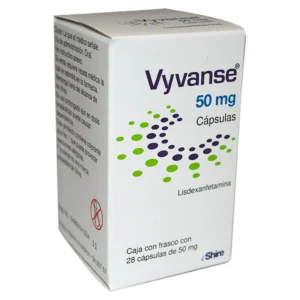
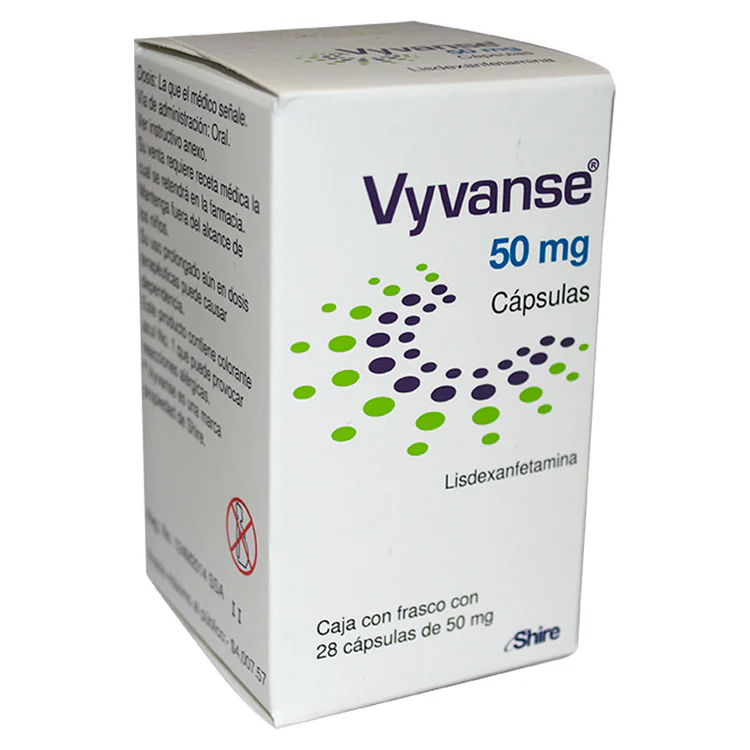
Vyvanse 50mg contains lisdexamfetamine dimesylate, a prescription central nervous system stimulant. It is used to treat attention-deficit/hyperactivity disorder (ADHD) and, in adults, moderate-to-severe binge-eating disorder in countries where these indications are approved. Vyvanse 50mg may help manage symptoms when prescribed appropriately, but it also carries important risks, including increased heart rate, insomnia, appetite loss, misuse, and dependence. Understanding its approved uses and precautions is essential for safe medication management.
1. What Is Vyvanse 50mg?
Vyvanse is a brand name for lisdexamfetamine, a stimulant medicine. The 50mg strength indicates the amount of lisdexamfetamine dimesylate stated on the product label. The medicine is available in different strengths, and the appropriate prescription depends on the patient’s condition, response, and medical history.
In the United States, Vyvanse is a Schedule II controlled substance because it has a significant potential for misuse and addiction. It should only be used by the person for whom it was prescribed. Never share it, take extra doses, or change the prescribed regimen without professional guidance.
2. What Is Vyvanse 50mg Used For?
Vyvanse is approved in the United States for ADHD in adults and children aged six years and older. It is also approved for moderate-to-severe binge-eating disorder in adults. Approved indications and prescribing requirements may vary by country.
For ADHD, treatment aims to help manage symptoms such as inattention, impulsivity, and hyperactivity. For binge-eating disorder, treatment may help reduce the frequency of binge-eating episodes as part of an appropriate care plan.
Vyvanse is not approved as a weight-loss medicine. Appetite suppression or weight changes should not be treated as a reason to use it without an appropriate diagnosis and prescription.
3. How Does Vyvanse Work?
Lisdexamfetamine is a prodrug, meaning the body converts it into dextroamphetamine, an active stimulant. This affects certain chemical messengers involved in attention, impulse control, and brain activity.
The medicine’s effects vary between individuals. Some people experience improved symptom control, while others may experience unwanted effects such as restlessness, anxiety, or difficulty sleeping.
Vyvanse 50mg should be taken only according to the instructions provided by the prescriber. Do not increase the amount to improve concentration, extend wakefulness, or produce a stronger effect.
4. What Are the Possible Side Effects?
Possible side effects of Vyvanse include:
- Decreased appetite and weight loss
- Dry mouth
- Insomnia or difficulty sleeping
- Anxiety, irritability, or feeling jittery
- Nausea or abdominal discomfort
- Increased heart rate and blood pressure
A healthcare professional may monitor blood pressure, pulse, appetite, weight, sleep, and mental health during treatment.
Seek urgent medical attention for chest pain, fainting, severe shortness of breath, seizures, or signs of a serious psychiatric reaction. Sudden severe agitation, confusion, high body temperature, or a rapid heartbeat can also require emergency assessment, particularly when an overdose or drug interaction is possible.
5. Important Interactions and Safety Warnings
Vyvanse can interact with other medicines, including monoamine oxidase inhibitors (MAOIs), certain antidepressants, and medicines that affect blood pressure or stimulant activity. Combining lisdexamfetamine with serotonergic medicines can increase the risk of serotonin syndrome in some circumstances.
Tell your prescriber and pharmacist about all prescription medicines, over-the-counter products, supplements, and substances you use. Vyvanse must not be taken with an MAOI or within 14 days of stopping one under U.S. prescribing guidance.
People with certain serious heart conditions may be advised not to use stimulant medicines. A medical assessment should consider cardiovascular history, mental health, other medicines, and individual risk factors before treatment.
6. Misuse, Dependence, and Withdrawal
Vyvanse carries a boxed warning for abuse, misuse, and addiction. Taking more than prescribed, using it without a prescription, or taking it by an unapproved route can cause serious harm, including overdose and death.
Physical dependence can occur with repeated use. Some people may experience fatigue, low mood, changes in sleep, or other symptoms after stopping prolonged treatment. Consult your prescriber before making changes, especially if you have been taking it regularly.
Store the medicine securely, never share it, and dispose of unused medication through an appropriate pharmacy or medicine take-back programme.
7. Responsible Use and Monitoring
Safe treatment involves regular follow-up with a qualified healthcare professional. Discuss whether the medicine is helping, whether side effects are occurring, and whether continued treatment remains appropriate.
Take Vyvanse exactly as prescribed. Do not use it to replace sleep, self-treat fatigue, or pursue weight loss. If a dose is missed, follow the instructions supplied with the medicine or ask a pharmacist; do not take extra medicine to compensate.
Keep the medicine in its original packaging and out of reach of children. Verify the product’s manufacturer, packaging, and registration details through a licensed pharmacist, particularly if it was obtained outside a regulated pharmacy.
Frequently Asked Questions
What is Vyvanse 50mg prescribed for?
It may be prescribed for ADHD and, in adults, moderate-to-severe binge-eating disorder where approved. The appropriate treatment depends on a clinician’s assessment.
Can Vyvanse 50mg cause insomnia?
Yes. Difficulty sleeping is a recognised side effect. Discuss persistent sleep problems with your prescriber rather than changing the dose yourself.
Is Vyvanse a weight-loss medicine?
No. In the United States, Vyvanse is not approved for weight loss, even though appetite reduction can occur as a side effect.
Can Vyvanse cause dependence?
Yes. It has potential for misuse, addiction, and physical dependence. Use it only as prescribed and attend follow-up appointments.
Conclusion
Vyvanse 50mg contains lisdexamfetamine, a prescription stimulant used for certain cases of ADHD and adult binge-eating disorder. Although it can provide meaningful benefits for appropriately diagnosed patients, it requires monitoring for side effects, cardiovascular risks, interactions, and misuse. Use it only under qualified medical supervision and follow the instructions on your prescription.
Medical disclaimer: This article is for educational purposes only and does not replace professional medical advice, diagnosis, or treatment. Always consult a qualified healthcare professional about your medication.