
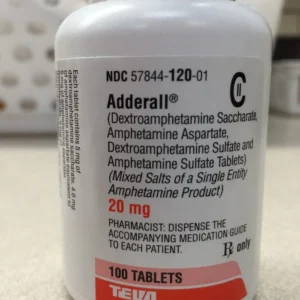
Adderall 10mg is a prescription medication containing mixed amphetamine salts, a combination of central nervous system stimulants used to treat attention-deficit/hyperactivity disorder (ADHD) and, in certain circumstances, narcolepsy. It affects neurotransmitters involved in attention, alertness, and impulse control. Although Adderall can help manage symptoms in appropriately diagnosed patients, it also carries potential risks, including appetite changes, insomnia, increased heart rate, and dependence. Understanding its approved uses, possible side effects, and safety precautions is essential for informed treatment decisions.
What Is Adderall 10mg?
Adderall contains a combination of amphetamine salts that affect activity in the central nervous system. The 10mg designation refers to the stated medication strength, but it does not determine whether the medication is appropriate for a particular person.
Adderall is available in immediate-release and extended-release formulations. Immediate-release Adderall releases its active ingredients differently from Adderall XR, which is designed to release medication over a longer period. These formulations are not automatically interchangeable, so the exact product should be verified on the prescription label.
In the United States, Adderall is a controlled prescription medication because amphetamines carry risks of misuse, addiction, and physical dependence. Approved uses and legal requirements may vary by country.
What Is Adderall 10mg Used For?
Adderall is approved in the United States for ADHD and narcolepsy.
For people with ADHD, treatment may help manage symptoms such as:
- Difficulty maintaining attention.
- Impulsive behavior.
- Excessive activity or restlessness.
- Challenges with organization and completing tasks.
- Difficulty managing everyday responsibilities.
For individuals with narcolepsy, stimulant treatment may help manage excessive daytime sleepiness when clinically appropriate.
Treatment should be based on a qualified healthcare professional’s assessment. Depending on individual needs, ADHD care may also include behavioral therapy, educational support, and practical organizational strategies.
Adderall should not be used without medical supervision for weight loss, recreational stimulation, staying awake unnecessarily, or nonmedical performance enhancement.
How Does Adderall Work?
Adderall affects neurotransmitters, particularly dopamine and norepinephrine. These chemical messengers contribute to attention, motivation, alertness, and executive functioning.
By influencing their activity, amphetamine medications may help improve attention and reduce certain ADHD symptoms in individuals who respond to stimulant treatment.
The effects vary according to the formulation, metabolism, medical history, and other medications or substances being used. Increased alertness does not necessarily mean a person is free from impairment or safe to perform every activity.
Possible Side Effects of Adderall 10mg
Adderall can cause side effects even when taken according to a prescription. Commonly reported effects include:
- Reduced appetite.
- Difficulty sleeping.
- Dry mouth.
- Headache.
- Nausea or stomach discomfort.
- Nervousness, anxiety, or irritability.
- Increased heart rate or blood pressure.
- Weight loss.
Persistent or worsening symptoms should be discussed with a healthcare professional. Monitoring may include blood pressure, heart rate, appetite, sleep, and weight. Children and adolescents may also need monitoring of growth.
Seek emergency medical attention for chest pain, fainting, severe shortness of breath, seizures, hallucinations, or a dangerously fast or irregular heartbeat. Severe agitation, confusion, or overheating may also indicate a serious reaction.
Important Safety Precautions
Before prescribing Adderall, a healthcare professional should review cardiovascular health, mental health history, existing medical conditions, and all current medications.
Cardiovascular health
Adderall can increase blood pressure and heart rate. People with certain serious heart conditions or significant cardiovascular risks may require additional evaluation or an alternative treatment.
Mental health
Stimulants may worsen anxiety or agitation in some individuals. They can also cause new or worsening psychiatric symptoms, including mania or psychosis in susceptible people. Significant changes in mood, behavior, or perception should be reported promptly.
Drug interactions
Certain medicines can interact dangerously with amphetamines. Monoamine oxidase inhibitors (MAOIs) are particularly important because combining them with amphetamines can cause serious reactions. Inform the prescriber and pharmacist about all prescription medicines, over-the-counter products, and supplements.
Misuse and dependence
Adderall has potential for misuse, addiction, and physical dependence. Use it only as prescribed, store it securely, and never share it with another person.
Pregnancy and breastfeeding
Anyone who is pregnant, planning pregnancy, or breastfeeding should discuss the potential benefits and risks with a qualified healthcare professional.
Adderall 10mg and Other Substances
Combining Adderall with other stimulants or certain medications may increase cardiovascular and nervous-system risks. Alcohol and recreational substances can complicate treatment and make adverse effects harder to recognize.
Do not start, stop, or combine medicines without professional guidance. If someone develops severe agitation, confusion, overheating, tremors, chest pain, or seizures after taking Adderall or combining substances, seek emergency medical assistance.
Do not crush or alter an extended-release formulation unless a pharmacist or prescriber confirms that the specific product can be handled that way.
Safe Storage and Medication Verification
Keep Adderall in its original labeled container and store it securely away from children and other people. Follow local regulations for controlled medicines and consult a pharmacist about safe disposal of unused medication.
Verify the active ingredient, stated strength, formulation, packaging details, manufacturer information, and expiry date. Tablet appearance alone cannot establish authenticity. Obtain prescription medicines through a licensed pharmacy and ask a pharmacist to verify any product with unusual or inconsistent packaging.
Frequently Asked Questions
What is Adderall 10mg prescribed for?
In the United States, Adderall is approved for ADHD and narcolepsy. A qualified prescriber determines whether it is appropriate for an individual patient.
Is Adderall 10mg immediate-release or extended-release?
The strength alone does not identify the formulation. Check the prescription label to determine whether the product is immediate-release Adderall or Adderall XR.
What are the common side effects?
Common side effects include reduced appetite, insomnia, dry mouth, headache, stomach discomfort, nervousness, and increased heart rate.
Can Adderall cause dependence?
Yes. Amphetamine medications have misuse and dependence potential. Follow the prescription and consult a healthcare professional about concerns regarding continued use or discontinuation.
Can Adderall be taken with other medications?
Some combinations require close monitoring, while others may be unsafe. A pharmacist or prescriber should review all medicines and supplements before treatment begins or changes.
Conclusion
Adderall 10mg is a prescription mixed amphetamine salts medication used for ADHD and, in certain circumstances, narcolepsy. Its suitability depends on the patient’s diagnosis, formulation, medical history, and response to treatment. Important risks include appetite changes, sleep difficulties, cardiovascular effects, psychiatric symptoms, drug interactions, and dependence. Professional supervision, regular monitoring, secure storage, and adherence to prescribed instructions are essential for safer treatment.



Reviews
There are no reviews yet.