7 Essential Facts About VLS Semaglutide: Research, Benefits, and Safety
Introduction
VLS Semaglutide is a product marketed under the VLS name and associated with semaglutide, a compound studied for its effects on blood glucose regulation, appetite, and metabolic health. Semaglutide belongs to a class of medicines known as glucagon-like peptide-1 (GLP-1) receptor agonists.
Authorised prescription medicines containing semaglutide have established medical uses, including type 2 diabetes management and chronic weight management for eligible patients, depending on the product and jurisdiction. However, evidence supporting an approved medicine does not automatically establish the safety, quality, or effectiveness of every product marketed under the same compound name.
VLS product listings describe their peptides as intended for laboratory research rather than human consumption. This article explains semaglutide’s scientific background, approved medical applications, product-label considerations, and important safety information.
1. What Is VLS Semaglutide?
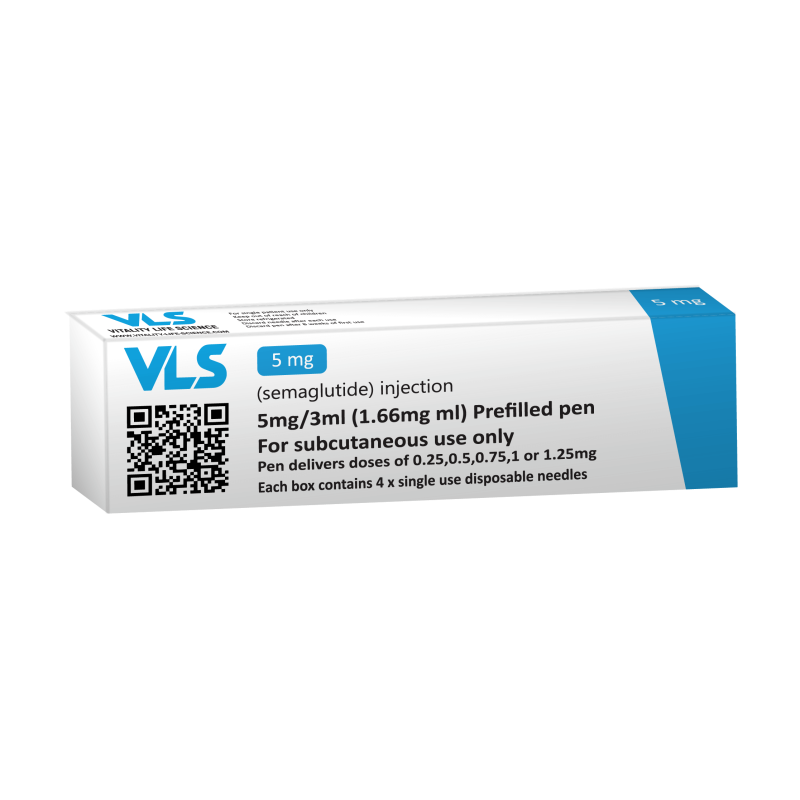
VLS Semaglutide is a product marketed under the VLS name and associated with semaglutide, a synthetic peptide that activates GLP-1 receptors. These receptors participate in glucose regulation, appetite signalling, and digestive processes.
Online listings may describe different strengths or formats. The exact quantity, formulation, manufacturer, and intended use should therefore be verified against the specific product documentation.
The VLS name is a product or catalogue identifier; it does not establish that the product is equivalent to an authorised prescription medicine. A matching ingredient name alone cannot verify authenticity, purity, sterility, or regulatory approval.
The distinction between a research compound and a prescription medicine is particularly important for products advertised in injectable formats.
2. How Does Semaglutide Work?
Semaglutide activates GLP-1 receptors, which are involved in several processes that help regulate blood glucose and appetite.
Its biological effects include:
- Supporting glucose-dependent insulin secretion.
- Reducing glucagon secretion when appropriate.
- Slowing gastric emptying, particularly during initial treatment.
- Influencing appetite and feelings of fullness.
- Helping improve blood glucose control in eligible patients.
These mechanisms explain why semaglutide is used in authorised medicines for specific medical indications. However, the clinical outcomes demonstrated for approved products should not be assumed for an unapproved research-labelled product.
3. What Are the Established Medical Uses of Semaglutide?
Authorised semaglutide medicines have different indications depending on their formulation, brand, and country.
In the United States, Ozempic is approved for certain uses in adults with type 2 diabetes, including blood glucose management and specified cardiovascular and kidney risk-reduction indications. Wegovy is approved for chronic weight management in eligible patients and has additional indications for certain cardiovascular and liver-related conditions in specified populations.
Rybelsus is an oral semaglutide medicine used for type 2 diabetes under its approved prescribing information.
These products are not interchangeable solely because they contain semaglutide. Their approved indications, formulations, and instructions differ.
These authorisations do not automatically apply to VLS Semaglutide. A research-labelled product should not be presented as an approved treatment for diabetes or weight management.
4. Understanding Product Strength and Labelling
A product’s stated quantity indicates the amount claimed on its label; it is not a recommended human dose.
When reviewing a VLS Semaglutide listing, distinguish between:
- Total quantity: The stated amount of semaglutide in the product.
- Concentration: The amount of compound per unit of liquid, where applicable.
- Formulation: The physical form and other ingredients in the product.
- Batch documentation: Records associated with the specific batch.
- Regulatory status: Whether the product is authorised for the intended medical use.
A pre-filled pen, printed label, or online authenticity code does not independently prove that a product contains the claimed ingredient or meets the standards required for an authorised medicine.
A certificate of analysis may document selected laboratory findings, but it does not establish clinical effectiveness, sterility, or approval for human use.
5. Potential Side Effects and Safety Risks
Authorised semaglutide medicines can cause gastrointestinal side effects, including nausea, vomiting, diarrhoea, constipation, and abdominal discomfort.
Important warnings include:
- Possible pancreatitis.
- Gallbladder problems.
- Dehydration and associated kidney complications.
- Hypoglycaemia, especially when combined with insulin or certain other diabetes medicines.
- Severe gastrointestinal symptoms in some patients.
- Allergic reactions.
In the United States, certain semaglutide products carry a boxed warning concerning thyroid C-cell tumours observed in rodents. Relevant prescribing information includes a contraindication for people with a personal or family history of medullary thyroid carcinoma or multiple endocrine neoplasia syndrome type 2.
The safety of a research-labelled product may be less predictable if its identity, concentration, manufacturing quality, storage history, and sterility have not been established to appropriate standards.
The FDA has warned about unapproved GLP-1 products marketed for human use, including products labelled for research purposes. Such labels should not be interpreted as evidence of medical approval or safety.
Anyone considering semaglutide treatment should consult a qualified healthcare professional about eligibility, other medicines, contraindications, and monitoring.
6. Product Quality, Authenticity, and Regulatory Status
Product quality is important when evaluating any product marketed under the VLS name.
For legitimate laboratory research, relevant documentation may include the compound’s identity, batch number, analytical testing methods, reported purity, and storage requirements.
These documents should be interpreted carefully. A purity result does not necessarily establish sterility, and supplier verification is not equivalent to regulatory approval.
The FDA has also highlighted risks associated with unapproved semaglutide products, including counterfeit or incorrectly formulated products and dosing errors involving some compounded injectable products.
For medical treatment, authorised prescription medicines obtained through legitimate healthcare channels provide a more appropriate route for verifying the product and receiving professional guidance.
7. Frequently Asked Questions About VLS Semaglutide
What is VLS Semaglutide?
It is a product marketed under the VLS name and associated with semaglutide. Specific listings may differ in stated strength, formulation, and documentation.
What does semaglutide do?
Semaglutide activates GLP-1 receptors involved in blood glucose regulation, appetite signalling, and digestive processes.
Is VLS Semaglutide approved for weight loss?
Do not assume that a VLS research-labelled product is authorised for weight management. Approvals apply to specific medicines and indications in individual jurisdictions.
What does the strength on the label mean?
It indicates the quantity claimed for that product. It is not a personal dosing recommendation or proof of product quality.
Does a certificate of analysis guarantee safety?
No. It may document selected laboratory results for a particular batch, but it does not independently establish sterility, clinical effectiveness, human safety, or regulatory approval.
What should someone do if they are considering semaglutide treatment?
Discuss treatment options with a qualified healthcare professional, who can assess medical history, treatment eligibility, other medicines, and relevant safety considerations.
Conclusion
VLS Semaglutide is associated with a compound that has established medical applications in authorised prescription medicines and continues to be studied for its effects on metabolic health.
However, the clinical evidence supporting authorised semaglutide medicines should not be confused with evidence about a particular research-labelled product. Product strength, packaging, purity claims, and supplier verification do not independently establish clinical safety or regulatory approval.
Anyone researching VLS Semaglutide should evaluate product documentation carefully and distinguish laboratory research from medical treatment. For diabetes or weight-management care, consult a qualified healthcare professional about authorised treatment options.
Disclaimer: This article is for educational purposes only and is not medical advice. Research-labelled products should not be used for human or veterinary treatment. This article does not recommend self-injection or unsupervised use of semaglutide products.
Reviews
There are no reviews yet.