Contrave: 7 Essential Facts About Weight Management and Safety
Contrave is a prescription medication used alongside a reduced-calorie diet and increased physical activity to help eligible adults manage excess body weight over the long term. It combines two active ingredients, naltrexone hydrochloride and bupropion hydrochloride, which act on pathways involved in appetite regulation and reward-related eating. Understanding how Contrave works, its potential side effects, and its important precautions can help patients make informed decisions with their healthcare professionals.
1. What Is Contrave?
It is an extended-release oral medication prescribed for chronic weight management in certain adults with obesity or overweight accompanied by a weight-related medical condition. Under the U.S. prescribing information, eligibility generally includes adults with a body mass index (BMI) of 30 or higher, or a BMI of 27 or higher with a condition such as high blood pressure, type 2 diabetes, or abnormal blood lipids.
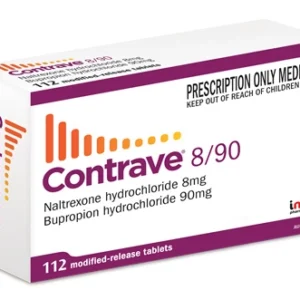
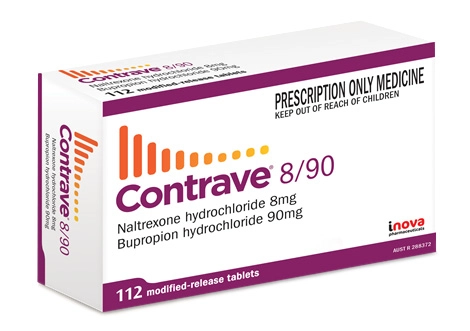
It contains naltrexone and bupropion in a fixed-dose combination. The approved U.S. tablet contains 8 mg of naltrexone hydrochloride and 90 mg of bupropion hydrochloride. It is not a substitute for a balanced eating plan, physical activity, or ongoing medical care. Availability and approved indications may differ between countries.
2. How Does Contrave Work?
It combines two medicines with different but complementary actions. Bupropion affects certain brain chemicals involved in appetite regulation and may influence pathways associated with food cravings. Naltrexone blocks opioid receptors and may affect reward-related pathways involved in eating behavior.
Together, these ingredients may help some people manage hunger, cravings, and calorie intake. However, individual responses vary, and Contrave does not guarantee weight loss. Its effectiveness should be assessed as part of a broader treatment plan that includes nutrition, physical activity, and follow-up with a healthcare professional.
3. Who May Be Eligible for Contrave?
This may be considered for adults who meet the applicable prescribing criteria for chronic weight management. A healthcare professional should assess BMI, weight-related health conditions, medical history, blood pressure, current medications, and previous treatment experiences before prescribing it.
It is not appropriate for everyone. It is contraindicated for people with uncontrolled high blood pressure, seizure disorders, current or previous anorexia nervosa or bulimia, or chronic opioid use. It is also contraindicated with other bupropion-containing medicines and certain monoamine oxidase inhibitors (MAOIs).
People who use opioid pain medicines, methadone, or buprenorphine must discuss this with their prescriber before considering Contrave. Naltrexone can interfere with opioid medicines and may precipitate withdrawal in people who are physically dependent on opioids.
4. Contrave Dosage and Administration
It is taken by mouth as an extended-release tablet. The U.S. prescribing information describes a gradual, four-week dose-escalation schedule to help patients adjust to treatment. The prescribed dose increases in stages, with the usual U.S. maintenance regimen reaching two tablets in the morning and two in the evening from week four, if appropriate and tolerated.
This schedule is general product-label information, not an individualized recommendation. Some patients require a lower maximum dose because of kidney or liver impairment, and certain interacting medicines can also affect the recommended dose.
This tablets must be swallowed whole. They should not be cut, chewed, or crushed. Avoid taking them with high-fat meals because this can increase exposure to the active ingredients and potentially raise the risk of adverse effects, including seizures. Follow the current package instructions and the prescribing clinician’s directions.
5. Common Side Effects of Contrave
Some people experience side effects, particularly when starting treatment or increasing the dose. Commonly reported effects include:
- Nausea and vomiting
- Constipation or diarrhea
- Headache
- Dizziness
- Dry mouth
- Difficulty sleeping
- Increased sweating
- Abdominal discomfort
Not everyone experiences these effects, and their severity can vary. Contact a healthcare professional if symptoms persist, become troublesome, or interfere with daily activities.
Contrave may also increase blood pressure or heart rate. Blood pressure and pulse should be monitored as advised by the prescriber, especially during the early stages of treatment. Serious symptoms, including seizures, severe allergic reactions, or new or worsening suicidal thoughts or unusual behavioral changes, require prompt medical attention.
6. Important Warnings and Drug Interactions
It carries a warning about suicidal thoughts and behaviors associated with its bupropion component. Patients and caregivers should watch for significant mood or behavior changes and contact a healthcare professional promptly if concerning symptoms develop.
The medication also increases seizure risk, particularly when taken above the prescribed dose or alongside certain medicines or other risk factors. It must not be used with other bupropion-containing products. People should not abruptly stop heavy alcohol use or certain sedatives without medical guidance, as withdrawal can increase seizure risk.
Naltrexone can block the effects of opioid pain medicines and complicate emergency pain treatment. Tell every healthcare professional involved in your care that you take Contrave. A full medication review is important because bupropion can interact with several prescription medicines.
It should not be used during pregnancy for weight management; treatment should be discontinued if pregnancy is recognized, and the prescriber should be contacted. People with kidney or liver disease, a history of bipolar disorder, or other significant medical conditions should discuss the risks before starting treatment.
7. Supporting Long-Term Weight Management
It works best as part of a structured, sustainable weight-management plan. A healthcare professional may recommend a reduced-calorie eating pattern, regular physical activity, adequate sleep, and behavioral strategies that help build consistent habits.
Follow-up appointments can help assess weight changes, blood pressure, heart rate, side effects, and overall treatment benefit. The U.S. prescribing information recommends reassessing response after 12 weeks at the maintenance dose; if an adult has not lost at least 5% of their starting body weight, the clinician should generally discontinue treatment because meaningful sustained weight loss is less likely.
Do not increase the dose or combine Contrave with other weight-loss medications without medical advice. If treatment is ineffective or poorly tolerated, a healthcare professional can discuss alternatives suited to the person’s medical needs.
Frequently Asked Questions About Contrave
What is Contrave used for?
This is prescribed alongside a reduced-calorie diet and increased physical activity for long-term weight management in eligible adults with obesity or overweight and a related medical condition.
What are the active ingredients in Contrave?
It combines naltrexone hydrochloride and bupropion hydrochloride in an extended-release tablet.
Does Contrave cause side effects?
Yes. Nausea, constipation, headache, dizziness, dry mouth, and difficulty sleeping are common reported effects. Serious risks include seizures, elevated blood pressure, and changes in mood or behavior.
Can Contrave be taken with opioid painkillers?
This is contraindicated for people using chronic opioids and can interfere with opioid pain relief. Discuss all opioid medicines and any planned procedures with a healthcare professional before starting treatment.
Is Contrave suitable for everyone who wants to lose weight?
No. It is a prescription medication for eligible adults and has important contraindications. A healthcare professional must assess whether its potential benefits outweigh its risks for an individual.
Conclusion
This is a prescription combination of naltrexone and bupropion that may help eligible adults manage excess weight when used alongside lifestyle changes. Its dosing schedule, possible side effects, seizure risk, blood pressure effects, opioid interactions, and mental-health warnings require careful consideration. Professional assessment and regular monitoring are essential to determine whether it is an appropriate treatment option.
Medical disclaimer: This article is for educational purposes only and does not replace professional medical advice, diagnosis, or treatment. Contrave should be used only under the supervision of a qualified healthcare professional and according to the current prescribing information.