Saxenda 3mg: 7 Essential Facts About Weight Management
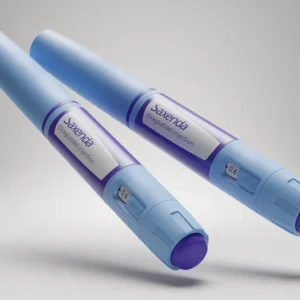
Saxenda 3mg is a prescription injectable medication containing liraglutide, a medicine that acts on the glucagon-like peptide-1 (GLP-1) receptor. It is prescribed alongside a reduced-calorie eating plan and increased physical activity to support long-term weight management in eligible people. Understanding how Saxenda 3mg works, its potential benefits, possible side effects, and important safety precautions can help patients have informed discussions with their healthcare providers.
1. What Is Saxenda 3mg?
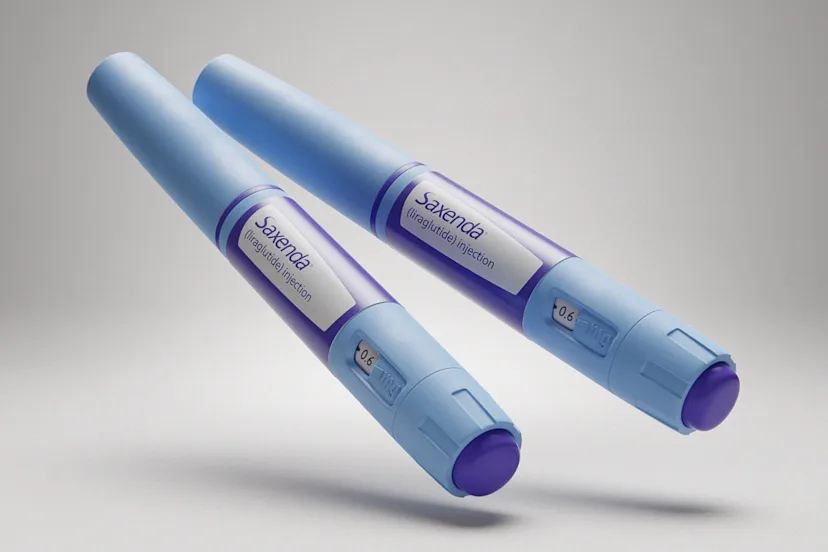
Saxenda 3mg is the commonly referenced maintenance-dose strength of Saxenda, a liraglutide injection supplied in a prefilled pen. In the United States, it is approved for chronic weight management in adults with obesity, adults with overweight and at least one weight-related health condition, and certain adolescents aged 12 years and older who meet specific weight and obesity criteria.
Saxenda 3mg is not intended to replace healthy eating habits, regular movement, or medical supervision. Treatment eligibility depends on a person’s health history, current medications, and the approved product information in their country. A healthcare professional can assess whether this treatment is suitable.
2. How Does Saxenda 3mg Work?
Saxenda 3mg contains liraglutide, which acts on GLP-1 receptors involved in appetite regulation. It can help people feel fuller, reduce hunger, and eat less. It also slows stomach emptying, which may contribute to the feeling of fullness after meals.
The response to Saxenda 3mg varies between individuals. Results depend on factors such as treatment tolerance, eating patterns, physical activity, health conditions, and adherence to the care plan. It is not a guaranteed solution for weight loss, and the expected benefit should be reviewed with a qualified healthcare professional.
3. Who May Be Prescribed Saxenda 3mg?
Saxenda 3mg may be considered for people who meet the approved criteria for chronic weight management. For adults, these criteria generally include obesity or overweight accompanied by a weight-related medical condition. In the United States, eligible adolescents aged 12 years and older must meet additional age, weight, and obesity requirements.
A prescriber should review relevant medical history before treatment, including any history of pancreatitis, gallbladder problems, kidney concerns, severe digestive conditions, or medications that can affect blood glucose. Saxenda should not be combined with other liraglutide-containing products or other GLP-1 receptor agonist medicines unless a specialist specifically advises otherwise in accordance with applicable guidance.
4. Saxenda 3mg Dosage and Administration
Saxenda is a once-daily injection administered under the skin of the abdomen, thigh, or upper arm. The U.S. prescribing information describes a gradual dose-escalation schedule that begins below the 3mg target dose and increases weekly as tolerated. This gradual approach is intended to help reduce gastrointestinal side effects.
Saxenda 3mg should not automatically be the starting dose. Patients should follow the schedule provided by their prescriber and the instructions supplied with their pen. Do not increase the dose, double a missed dose, or restart after an interruption without checking the product instructions and obtaining medical advice when needed.
The pen is for one patient only and must never be shared, even if the needle is changed. Ask a pharmacist or healthcare professional to demonstrate the correct injection technique, safe needle disposal, and storage requirements.
5. Common Side Effects of Saxenda 3mg
Digestive side effects are among the most frequently reported effects, especially during the early stages of treatment or after a dose increase. Possible side effects include:
- Nausea and vomiting
- Diarrhea or constipation
- Abdominal discomfort or stomach pain
- Headache or dizziness
- Tiredness
- Injection-site reactions
- Indigestion
Some effects may improve as the body adjusts, but persistent or severe symptoms should be discussed with a healthcare professional. Vomiting or diarrhea can cause dehydration and may contribute to kidney problems, so maintaining appropriate fluid intake and seeking advice about ongoing symptoms is important.
6. Important Warnings and Precautions
Saxenda 3mg has important safety warnings. In U.S. prescribing information, it carries a boxed warning about thyroid C-cell tumors observed in animal studies; whether this risk applies to humans is unknown. Saxenda is contraindicated for people with a personal or family history of medullary thyroid carcinoma or with Multiple Endocrine Neoplasia syndrome type 2 (MEN2).
Other serious concerns include pancreatitis, gallbladder disease, severe gastrointestinal reactions, increased heart rate, dehydration-related kidney injury, and serious allergic reactions. Low blood sugar may be more likely when Saxenda is used with insulin or certain diabetes medicines. The medicine may also affect the absorption of some oral medications because it slows stomach emptying.
Saxenda should not be used for weight management during pregnancy. Anyone who becomes pregnant while taking it should contact their healthcare provider promptly. Tell clinicians about Saxenda before surgery or a procedure involving general anesthesia or deep sedation.
Seek urgent medical help for severe, persistent abdominal pain, signs of a serious allergic reaction, or other severe symptoms.
7. Supporting Long-Term Weight Management
Saxenda 3mg is intended to be part of a broader weight-management plan. A healthcare professional may recommend a balanced, reduced-calorie eating pattern, regular physical activity suited to the individual, adequate sleep, and follow-up appointments to monitor progress and side effects.
Keeping a record of symptoms, appetite changes, activity, and questions for appointments may help patients and clinicians assess how treatment is going. If weight reduction is limited or side effects are difficult to manage, the prescriber can review the treatment plan and discuss suitable alternatives. Do not combine Saxenda with other weight-loss medicines without professional guidance.
Frequently Asked Questions About Saxenda 3mg
What is Saxenda 3mg used for?
Saxenda is a prescription liraglutide injection used with a reduced-calorie diet and increased physical activity for chronic weight management in eligible patients.
Is Saxenda 3mg a starting dose?
No. The usual U.S. dosing schedule begins at 0.6mg daily and increases gradually under medical guidance. The 3mg dose is the recommended adult maintenance dose in the U.S. label.
How often is Saxenda injected?
It is administered once daily under the skin, following the prescribed schedule and instructions for the pen.
Can Saxenda 3mg cause side effects?
Yes. Nausea, vomiting, diarrhea, constipation, abdominal discomfort, headache, and tiredness are among the commonly reported side effects. Serious complications can also occur.
Can Saxenda be used with other GLP-1 medicines?
It is not recommended to combine Saxenda with other liraglutide-containing products or other GLP-1 receptor agonists. Ask a prescriber to review all medications before starting treatment.
Conclusion
Saxenda 3mg is a prescription liraglutide injection that may support long-term weight management when used alongside dietary changes and physical activity in eligible patients. Its benefits, risks, dose escalation, and suitability should be reviewed with a qualified healthcare professional. Understanding the possible side effects and major warnings helps patients make informed decisions and use prescribed treatment more safely.
Medical disclaimer: This article is for general educational purposes only and is not a substitute for professional medical advice, diagnosis, or treatment. Saxenda is a prescription medicine. Always follow your healthcare professional’s instructions and the current local prescribing information.