1. What Is a V-Carbon Peel?
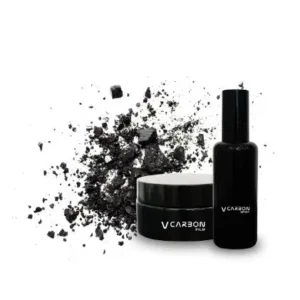
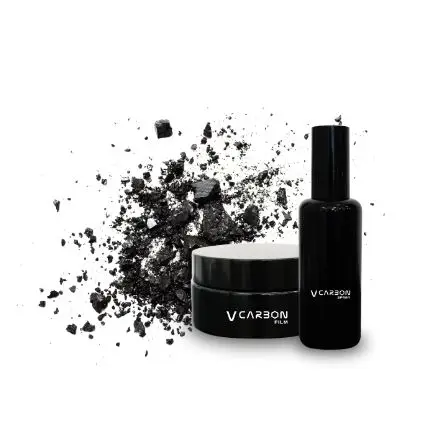
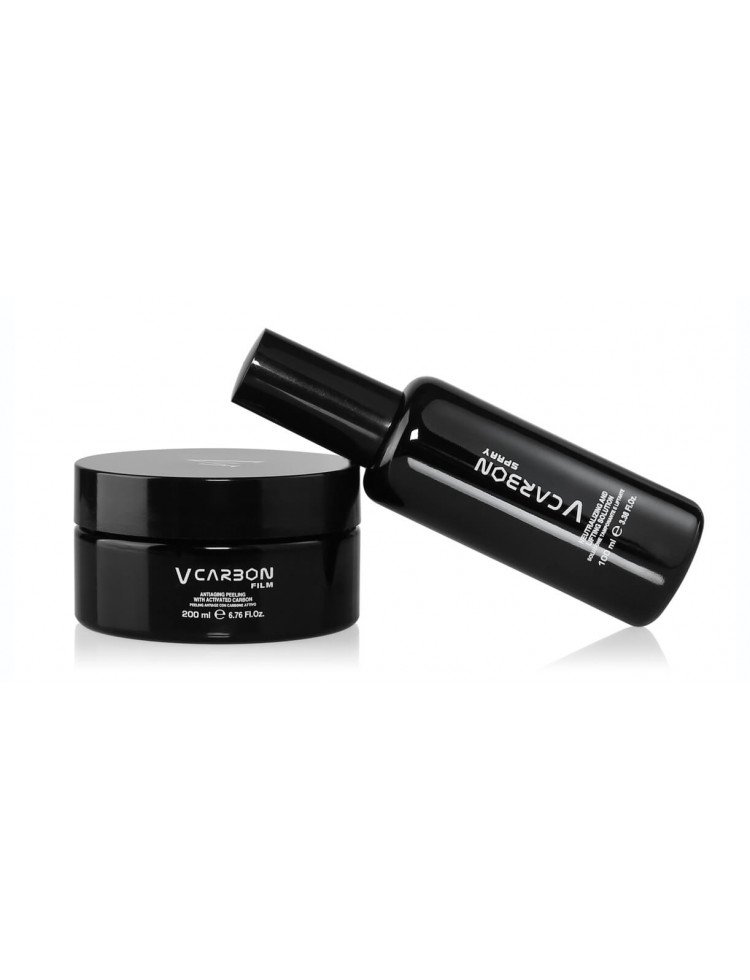
A V-Carbon Peel is a professional cosmetic treatment designed to refresh the skin’s surface and improve its overall appearance. The V Carbon System uses two complementary products, commonly called V Carbon Film and V Carbon Spray.
Depending on the specific formulation and treatment protocol, the system combines activated vegetable carbon with exfoliating ingredients and supporting botanical extracts. The treatment is intended to remove accumulated dead skin cells and improve the appearance of uneven texture, enlarged-looking pores, and dull skin.
The exact formulation, application method, and treatment depth can vary by product and practitioner. A professional skin assessment is important before choosing this treatment.
2. How Does a V-Carbon Peel Work?
The V-Carbon Peel combines exfoliation with ingredients intended to help refine the skin’s appearance. Its acids help loosen dead surface cells, while the carbon-containing preparation is part of the product’s cleansing and cosmetic treatment approach.
The V Carbon System is generally described as a peel-only treatment rather than a laser procedure. The accompanying spray is used according to the manufacturer’s protocol to stop or neutralize the peel’s activity and help remove the product.
A traditional carbon laser peel is different: a carbon preparation is applied to the skin and then treated with a suitable laser. Research on carbon laser peels suggests possible improvements in acne lesions, pores, and skin texture, but the evidence remains limited. Those findings should not automatically be applied to the non-laser V-Carbon Peel.
3. Potential Benefits of a V-Carbon Peel
A practitioner may recommend a V-Carbon Peel for cosmetic concerns such as:
- Dull-looking skin: Exfoliation can help reveal a fresher-looking surface.
- Uneven skin texture: Removing dead surface cells may make skin feel smoother.
- Visible pores: The treatment may improve the appearance of congestion and enlarged-looking pores.
- Excess surface oil: The treatment is marketed for oily or congested skin.
- Uneven-looking complexion: Exfoliation may temporarily improve the appearance of some superficial discoloration.
- Fine lines: Smoother surface texture may make minor lines less noticeable.
Results vary by individual, skin condition, formulation, and treatment technique. A V-Carbon Peel should not be presented as a guaranteed treatment for acne scars, deep wrinkles, melasma, or other persistent pigmentation disorders.
4. Who May Be a Suitable Candidate?
A professional may consider a V-Carbon Peel for someone seeking a cosmetic skin refresh, particularly when dullness, surface congestion, or rough texture is the main concern.
However, the treatment may not be suitable for everyone. People with sensitive or irritated skin, active infections, open wounds, inflamed skin conditions, or a history of problematic reactions to exfoliating acids should obtain professional advice before treatment.
Anyone using prescription acne treatments, retinoids, or other exfoliating products should disclose them during the consultation. Recent procedures and a history of post-inflammatory hyperpigmentation should also be discussed.
For darker skin tones, careful selection of treatment strength and technique is particularly important because irritation can trigger dark marks. A qualified skin professional can help determine whether a V-Carbon Peel or a gentler alternative is more appropriate.
5. What Happens During a V-Carbon Peel Treatment?
The treatment typically begins with a skin assessment and cleansing. The practitioner then applies the V Carbon Film according to the manufacturer’s instructions, allowing it to act for the specified period.
The V Carbon Spray is used according to the system’s protocol, after which the products are removed and suitable post-treatment skincare is applied. The duration and depth of treatment depend on the formulation, skin condition, and professional assessment.
V-Carbon Peel procedures should be performed by a properly trained practitioner who understands chemical exfoliation, skin assessment, and how to respond to adverse reactions. Do not improvise application times or attempt a stronger peel than recommended.
6. Possible Side Effects and Aftercare
Although a cosmetic peel may be marketed as gentle or low-downtime, irritation can still occur. Potential reactions include:
- Temporary redness or stinging
- Dryness, tightness, or peeling
- Increased sensitivity
- Irritation or an acne-like flare
- Darker or lighter patches after inflammation
- Chemical burns or scarring if a peel is misused
After treatment, follow the practitioner’s instructions. Generally, gentle cleansing, a bland moisturizer, and broad-spectrum sunscreen are important. Avoid picking or scrubbing peeling skin, and do not immediately combine the treatment with strong exfoliating acids, retinoids, or other irritating products unless your practitioner confirms they are appropriate.
Seek medical advice if you develop severe pain, blistering, increasing swelling, signs of infection, or persistent pigment changes. Professional supervision matters because improperly used chemical peels can cause serious skin injury.
7. V-Carbon Peel vs. Carbon Laser Peel
Although the names sound similar, the treatments are not identical.
A V-Carbon Peel uses a carbon-containing topical peel system and does not necessarily involve a laser. A carbon laser peel involves applying a carbon preparation and using a laser to interact with it.
The treatments differ in equipment, mechanism, risks, recovery, and supporting evidence. Neither should be assumed to deliver permanent pore reduction or eliminate acne scars. If your main concern is persistent acne, melasma, or scarring, a dermatologist can recommend a treatment with evidence suited to that condition.
Frequently Asked Questions About V-Carbon Peel
What is a V-Carbon Peel used for?
It is a professional cosmetic peel intended to improve the appearance of dullness, uneven texture, surface congestion, and enlarged-looking pores.
Does a V-Carbon Peel use a laser?
The V Carbon System can be used as a non-laser peel. This differs from a carbon laser facial, which uses laser energy after a carbon preparation is applied.
Is a V-Carbon Peel suitable for every skin type?
No. Suitability depends on skin sensitivity, existing conditions, previous treatments, medications, and the risk of pigmentation changes. A professional assessment is recommended.
How long do the results last?
Results vary with skin condition, treatment protocol, and skincare habits. A temporary improvement in smoothness or brightness does not mean that pores, acne scars, or pigmentation have been permanently corrected.
Can I perform a V-Carbon Peel at home?
Professional peel systems should only be used according to their official instructions and by appropriately trained providers. Strong chemical exfoliation can cause burns, scarring, and lasting pigment changes when used incorrectly.
Conclusion
A V-Carbon Peel is a professional cosmetic treatment intended to refresh the skin’s appearance through exfoliation. It may help improve dullness, surface texture, and the appearance of congestion, but results vary and claims should remain realistic. Understanding the difference between a non-laser V-Carbon Peel and a carbon laser facial, choosing a qualified practitioner, and following appropriate aftercare can help reduce avoidable risks.
Disclaimer: This article is for general educational purposes and is not a substitute for individualized dermatological advice. Always consult a qualified skincare professional or dermatologist to determine whether a V-Carbon Peel is appropriate for your skin.