7 Essential Facts About Dermalax Dermal Filler
1. What Is Dermalax?
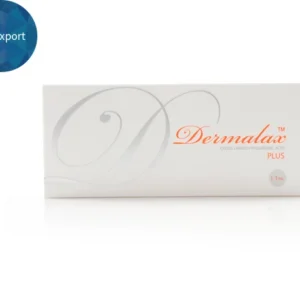
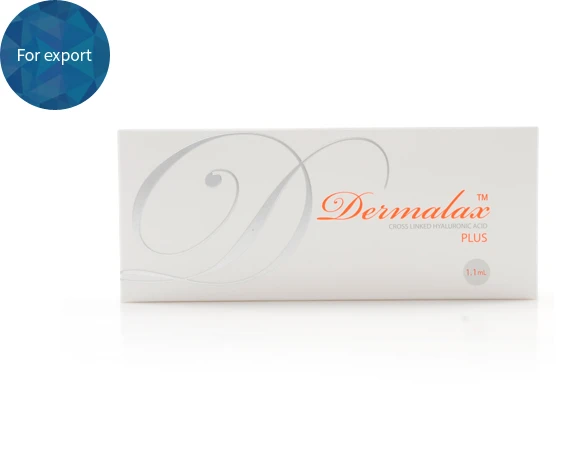
Dermalax is a range of hyaluronic acid dermal fillers developed for aesthetic treatments. These injectable products are designed to add temporary volume to selected areas of the face and soften the appearance of certain wrinkles and folds.
Hyaluronic acid is a substance naturally found in the body that helps retain moisture. In dermal fillers, cross-linked hyaluronic acid forms a gel that adds volume beneath the skin. Depending on the formulation and its approved indications, a qualified practitioner may use a filler to improve facial contours, restore volume, or enhance selected features.
Dermalax products are not all identical. The Plus, Deep Plus, and Implant Plus versions may differ in gel characteristics, hyaluronic acid concentration, packaging, and intended application. Choosing a formulation requires an assessment of the treatment area and the manufacturer’s instructions.
2. Key Ingredients in Dermalax
The main ingredient in the Dermalax range is cross-linked hyaluronic acid. Cross-linking helps the gel maintain its structure for longer than naturally occurring, unmodified hyaluronic acid.
Some Dermalax formulations also contain lidocaine, a local anaesthetic intended to reduce discomfort during injection. The concentration and formulation should be checked on the specific product label.
Product listings commonly describe Dermalax Plus as containing 20 mg/mL of hyaluronic acid, while some Deep Plus and Implant Plus listings specify 24 mg/mL. Formulations can vary, so these figures should not be assumed to apply to every Dermalax product. Verify the sealed packaging and official instructions before treatment.
3. Common Cosmetic Uses of Dermalax
Depending on the exact formulation and its locally authorised indications, Dermalax fillers may be used by trained professionals for selected cosmetic purposes, such as:
- Softening the appearance of certain facial wrinkles and folds.
- Adding volume to selected facial areas.
- Enhancing lip shape or volume where the product is approved for that purpose.
- Improving facial contours.
- Addressing volume loss in appropriate treatment areas.
The correct filler depends on the area being treated, skin and tissue characteristics, the patient’s goals, and the product’s approved use. Not every formulation is suitable for every facial area. A practitioner should explain the expected outcome, alternatives, limitations, and possible complications before treatment.
4. How Long Can Dermalax Results Last?
Dermal filler results are temporary, and their duration varies according to the product formulation, injection site, amount used, individual metabolism, and treatment technique.
Some commercial Dermalax listings describe results lasting approximately six to twelve months, but this is not a guarantee for every formulation or individual. Results may fade sooner or last longer, and maintenance treatment should only be considered after professional assessment.
Patients should avoid relying on a single advertised duration when comparing fillers. Ask the practitioner which exact Dermalax formulation will be used, what evidence supports its expected duration, and what follow-up care may be required.
5. Possible Side Effects and Risks
After filler injections, common short-term reactions can include redness, swelling, tenderness, bruising, itching, or small lumps near the injection site. These effects often improve over time, but persistent or worsening symptoms require medical assessment.
More serious complications can occur. If filler is accidentally injected into a blood vessel, it may obstruct blood flow and cause tissue damage. Rare but severe outcomes can include vision impairment or blindness and stroke. Infection, delayed inflammatory reactions, and nodules are also possible.
Seek urgent medical attention for severe or increasing pain, unusual skin whitening or discoloration, skin that feels unusually cool, changes in vision, or neurological symptoms following a filler injection. Do not wait for a routine follow-up appointment if these warning signs occur.
6. Who Should Perform Dermalax Treatment?
This is an injectable medical device, not a topical skincare product. It should only be administered by a suitably qualified, licensed healthcare professional who has specific training in facial anatomy, filler injection, complication recognition, and emergency management.
Before treatment, discuss allergies, previous filler treatments, relevant medical conditions, medications, active skin infections, and any history of serious reactions to injectable products. If the formulation contains lidocaine, disclose any known allergy or previous reaction to local anaesthetics.
Do not attempt to inject it yourself or allow an untrained person to perform the procedure. Ask to see the sealed product, batch number, expiry date, manufacturer information, and documentation confirming that the product is authorised for use in your country.
7. Choosing Dermalax Safely
When researching it, focus on product authenticity, the practitioner’s qualifications, and the suitability of the specific formulation rather than price alone.
Before proceeding, ask these questions:
- Which is formulation will be used, and why?
- Is this exact product authorised for the intended treatment in my country?
- What are the expected benefits and realistic limitations?
- What side effects and serious complications should I understand?
- What is the plan if a complication occurs?
- What aftercare and follow-up will be provided?
Regulatory status is country-specific. A product’s availability online or a seller’s claim of certification does not by itself establish that the product is approved for every use in every jurisdiction. For example, the U.S. Food and Drug Administration maintains a list of dermal fillers approved for specified uses; do not assume that every product marketed internationally is FDA-approved.
Frequently Asked Questions
What is Dermalax used for?
It is a range of hyaluronic acid dermal fillers used for selected cosmetic treatments, such as improving the appearance of certain wrinkles, adding volume, or enhancing facial contours, depending on the formulation and its authorised indications.
Does Dermalax contain hyaluronic acid?
Yes. For formulations are described as containing cross-linked hyaluronic acid. Some versions also contain lidocaine to reduce injection discomfort.
How long do Dermalax fillers last?
Duration varies by formulation, treatment area, and individual factors. Some product listings advertise approximately six to twelve months, but actual results are not guaranteed to last for a particular period.
Is Dermalax suitable for everyone?
No. Suitability depends on medical history, allergies, the proposed treatment area, the exact product, and local product instructions. A qualified healthcare professional should assess each patient before treatment.
Is Dermalax safe to inject at home?
No. This should not be self-injected. Filler injections require professional training, appropriate clinical conditions, and the ability to recognise and manage serious complications.
Conclusion
It is a range of hyaluronic acid dermal fillers intended for selected cosmetic applications. Its different formulations may offer different gel characteristics and uses, so it is important to identify the exact product before treatment. Although fillers can provide temporary cosmetic improvements, they also carry risks, including rare but serious vascular complications. Consult a qualified healthcare professional, verify local regulatory authorisation, and follow the official instructions for the specific product.
Medical-device disclaimer: This article is for general educational and SEO purposes only. It does not replace professional medical advice, the manufacturer’s instructions, or local regulatory requirements. Dermal fillers should be administered only by appropriately qualified professionals.