Qsymia: 7 Essential Facts About Uses and Safety
Qsymia is a prescription weight-management medication containing phentermine and extended-release topiramate. It is used alongside a reduced-calorie diet and increased physical activity to support long-term weight reduction in eligible patients. Qsymia works through two different mechanisms that influence appetite and food intake.
Understanding Qsymia involves learning about its approved uses, how it works, potential side effects, important warnings, and the need for medical supervision. This guide covers seven essential facts about Qsymia to help readers make informed decisions with a qualified healthcare professional.
1. What Is Qsymia?
This is a combination medication containing phentermine, a stimulant-like appetite suppressant, and extended-release topiramate, a medicine also used for certain seizure disorders and migraine prevention.
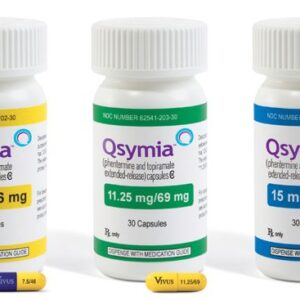
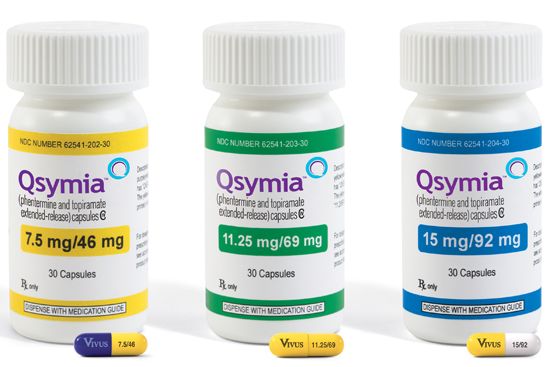
In the United States, This is available as extended-release capsules in several strengths. The amount of each active ingredient differs by formulation, so the exact product label matters.
This is a prescription medication and is classified as a Schedule IV controlled substance in the United States because phentermine has potential for misuse and dependence. It is not appropriate for everyone seeking to lose weight.
2. What Is Qsymia Used For?
This is approved in the United States, alongside a reduced-calorie diet and increased physical activity, for long-term weight management in:
- Adults with obesity.
- Adults who are overweight and have at least one weight-related medical condition.
- Adolescents aged 12 years and older with obesity, under the applicable prescribing guidance.
Weight-related conditions may include high blood pressure, abnormal cholesterol levels, and type 2 diabetes. Eligibility depends on clinical assessment and the applicable local prescribing information.
This is not intended as a cosmetic weight-loss product. Its safety and effectiveness when combined with other prescription, over-the-counter, or herbal weight-loss products have not been established.
3. How Does Qsymia Work?
It combines two ingredients that affect appetite through different pathways.
Phentermine stimulates the central nervous system and can reduce appetite, helping some patients consume less food.
Topiramate extended-release affects several neurological pathways and may contribute to appetite regulation and changes in food intake. The exact contribution of each ingredient to the overall weight-loss effect is not completely understood.
Together, these ingredients can help eligible patients reduce excess body weight when combined with dietary changes and physical activity. Results vary among individuals, and continued medical follow-up is important to assess whether treatment is effective and well tolerated.
4. What Are the Possible Side Effects?
It can cause side effects, including:
- Tingling or pins-and-needles sensations.
- Dizziness.
- Changes in taste.
- Dry mouth.
- Constipation.
- Difficulty sleeping.
- Trouble concentrating or finding words.
- Increased heart rate.
Some people may also experience anxiety, depression, or other changes in mood. Cognitive effects can interfere with attention, memory, or everyday tasks.
Seek urgent medical assessment for sudden vision changes, eye pain, severe mood changes, suicidal thoughts, or symptoms suggesting a serious allergic reaction. A healthcare professional should review persistent or troublesome effects rather than having the patient change the treatment independently.
5. What Are Qsymia’s Major Safety Warnings?
One of the most important warnings concerns pregnancy. It can cause fetal harm, including an increased risk of cleft lip or cleft palate. It must not be used during pregnancy. People who can become pregnant should discuss effective contraception and follow the prescribing information’s pregnancy-testing recommendations.
Other important risks include:
- Eye problems: Topiramate can cause sudden nearsightedness and secondary angle-closure glaucoma, which can threaten vision.
- Mood changes: Depression, anxiety, and suicidal thoughts or behavior may occur.
- Cognitive impairment: Attention, memory, and language difficulties can develop.
- Metabolic changes: Treatment can affect bicarbonate, potassium, and kidney-related laboratory results.
- Heart rate: Phentermine can increase heart rate, requiring appropriate monitoring.
A history of glaucoma, hyperthyroidism, certain medication use, or other medical conditions may make it unsuitable. The prescriber should review the full medical history before treatment.
6. Which Medicines and Conditions Require Caution?
This can interact with other medicines and may be inappropriate for certain patients.
Important precautions include:
- Monoamine oxidase inhibitors (MAOIs): Qsymia must not be used with MAOIs or within 14 days of stopping them because of the risk of a dangerous interaction.
- Other weight-loss products: Combining Qsymia with other weight-loss medicines or supplements has not been adequately established as safe and effective.
- Other medicines affecting the central nervous system: Some combinations can increase side effects or impair alertness.
- Kidney or liver impairment: Dose restrictions or additional monitoring may be necessary.
- Pregnancy: The medication is contraindicated because of fetal risk.
Tell your healthcare professional about all prescription medicines, over-the-counter products, supplements, and existing health conditions. Do not combine weight-loss treatments or change prescribed doses without medical advice.
7. How Is Qsymia Used Safely?
It is generally taken by mouth once daily in the morning, with or without food. Morning administration helps reduce the likelihood of insomnia.
Under U.S. prescribing information, treatment begins with a low-strength capsule and may be adjusted according to the official schedule, treatment response, and tolerability. The appropriate formulation and dose must be determined by the prescribing clinician.
Before and during treatment, monitoring may include pregnancy testing where applicable, blood chemistry, kidney function, heart rate, mood, and changes in weight.
The highest-strength of formulation should not be stopped abruptly without following the prescribing instructions because sudden withdrawal of topiramate can increase seizure risk. Patients should follow the clinician’s discontinuation plan.
It works best as part of a broader weight-management strategy that includes nutrition, physical activity, behavioral support, and follow-up care.
Frequently Asked Questions
What is Qsymia used for?
This is prescribed for long-term weight management in eligible adults and adolescents aged 12 years and older with obesity under U.S. labeling.
What ingredients does Qsymia contain?
It contains phentermine and extended-release topiramate.
Can Qsymia cause birth defects?
Yes. Topiramate exposure during pregnancy is associated with an increased risk of certain birth defects. Qsymia must not be used during pregnancy.
Can Qsymia affect concentration or memory?
Yes. Cognitive side effects, including difficulty concentrating, memory problems, and trouble finding words, can occur.
Conclusion
It combines phentermine and extended-release topiramate to support long-term weight management in eligible patients. When used alongside dietary changes and physical activity, it may help reduce excess body weight.
However, It has significant safety considerations, including pregnancy-related risks, eye complications, mood changes, cognitive effects, and increased heart rate. Careful patient selection, appropriate monitoring, and professional guidance are essential.
Medical disclaimer: This article is for educational purposes only. It does not replace professional medical advice, diagnosis, or treatment.