Melanotan II Research Peptide: 7 Critical Risks and Essential Safety Facts
Introduction to Melanotan II Research Peptide
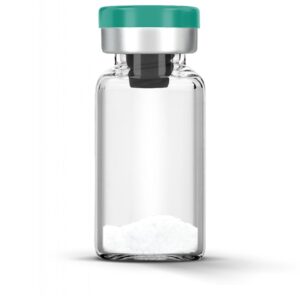
Melanotan II Research Peptide refers to Melanotan II (MT2), a synthetic peptide investigated for its effects on melanocortin receptors, skin pigmentation, and other biological functions. It has attracted attention because it can stimulate pathways involved in melanin production, the pigment responsible for skin color. Melanotan II Research Peptide Melanotan II Research PeptideMelanotan II Research PeptideMelanotan II Research Peptide Melanotan II Research Peptide
Despite its popularity in online discussions about tanning, Melanotan II is not an approved tanning treatment in the United States. Products marketed as research peptides have not necessarily undergone the testing required to establish their safety, effectiveness, or quality for human use.
This guide explains what Melanotan II is, what researchers have investigated, and the major safety concerns associated with unapproved products.
1. What Is Melanotan II?
Melanotan II is a synthetic peptide that acts on melanocortin receptors. These receptors are involved in several biological processes, including pigmentation, appetite, and sexual function.
Its ability to influence pigmentation has led to its promotion online as a tanning agent. However, a biological effect does not automatically make a substance a safe or effective cosmetic treatment.
Melanotan II is distinct from afamelanotide, a related substance used in an authorized prescription medicine for a specific medical condition in certain jurisdictions. The approval of one substance does not establish the safety or approval of another.
2. Understanding Research-Grade Melanotan II
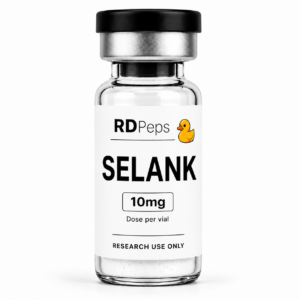
The term “research peptide” generally refers to a substance marketed for laboratory investigation rather than an authorized medicine for human treatment.
Products sold online under the Melanotan II name may have uncertain ingredients, inconsistent concentrations, or inadequate manufacturing controls. A product label, certificate of analysis, or seller guarantee cannot independently establish that the contents are safe for human use.
Consumers should be cautious of claims that research-grade Melanotan II is pharmaceutical quality, medically approved, or suitable for self-administration. Research labeling does not remove the potential health risks associated with an unapproved substance.
3. Seven Critical Safety Risks
1. Nausea, vomiting, and headaches
Melanotan products have been associated with nausea, vomiting, headaches, facial flushing, and reduced appetite. The severity of these effects may vary, and the risks associated with unverified products are difficult to predict.
Persistent vomiting, severe headaches, or other concerning symptoms warrant medical assessment.
2. Changes in moles and skin pigmentation
Melanotan II can affect skin pigmentation, including the appearance of moles and freckles. Unexpected changes in the size, shape, color, or appearance of pigmented lesions should be evaluated by a qualified healthcare professional.
Such changes can make it more difficult to recognize potentially serious skin conditions. Anyone concerned about a changing mole should arrange a professional skin examination.
3. Uncertain skin cancer implications
The relationship between Melanotan II use and skin cancer is not fully established. However, medical case reports have raised concerns about melanoma and changes in pigmented lesions following use. These reports do not prove that the peptide directly causes cancer, but they reinforce the need for caution.
Melanotan II should never be considered a proven method of preventing skin cancer or protecting against ultraviolet radiation.
4. Cardiovascular and other systemic effects
Melanotan II acts on biological pathways beyond skin pigmentation. Its effects may involve multiple body systems, and the safety of unapproved products has not been adequately established.
People experiencing chest pain, fainting, severe palpitations, or other serious symptoms should seek urgent medical attention.
5. Prolonged erections and sexual side effects
Melanotan II has been associated with sexual side effects, including reports of prolonged erections. An erection lasting four hours or longer is a medical emergency because delayed treatment can cause permanent tissue damage.
These risks should not be dismissed simply because the product is marketed as a cosmetic tanning peptide.
6. Contamination and inconsistent product strength
Unregulated products may contain incorrect amounts of active ingredients, impurities, or undisclosed substances. Regulatory testing has also identified inconsistencies in the amount of Melanotan II found in some products sold online.
A product’s stated strength does not independently confirm its contents, purity, or quality. Injectable products introduce additional concerns when sterility and manufacturing standards cannot be verified.
7. Unknown long-term safety
The long-term safety of unapproved Melanotan II products has not been adequately established. Potential effects associated with repeated exposure, individual susceptibility, and interactions with other substances remain important uncertainties.
Claims that the peptide is risk-free, suitable for indefinite use, or guaranteed to produce a predictable result are not supported by adequate evidence.
4. Does Melanotan II Provide Sun Protection?
Melanotan II is promoted for its ability to darken the skin, but a darker appearance does not eliminate the harmful effects of ultraviolet radiation. Melanotan II Research Peptide Melanotan II Research Peptide Melanotan II Research Peptide Melanotan II Research Peptide
Sun exposure can still contribute to sunburn, premature skin aging, and skin cancer. Melanotan II should not replace sunscreen, protective clothing, shade, or routine skin examinations.
For people seeking a tanned appearance, topical sunless tanning products from reputable manufacturers may provide a cosmetic alternative without intentionally exposing the skin to ultraviolet radiation. These products do not automatically provide sun protection.
5. Product Quality and Regulatory Status
Regulatory requirements differ between countries, but Melanotan II is not an FDA-approved tanning treatment in the United States. Other regulators have also warned consumers about unapproved Melanotan II products and the uncertainty surrounding their quality and safety.
Before trusting a product’s claims, consult the relevant national medicines regulator. A product sold online should not be assumed authorized simply because it has professional packaging, a batch number, or a laboratory report.
Certificates of analysis may provide information about particular tests, but they do not necessarily establish sterility, complete ingredient identity, manufacturing quality, or suitability for human use.
6. Handling and Adverse Reaction Considerations
Products marketed as injectable or intranasal Melanotan II may carry additional risks when their contents and manufacturing conditions are uncertain. Sealed packaging does not guarantee that a product is authentic or free from contamination.
Anyone who has used an unapproved Melanotan II product should seek medical advice if they experience unexpected symptoms or have concerns about their health. Provide the healthcare professional with any available product information.
Difficulty breathing, severe allergic symptoms, chest pain, fainting, or an erection lasting four hours or longer requires emergency medical attention.
7. Evidence-Based Alternatives for Skin Appearance
People interested in changing their skin’s appearance can discuss suitable cosmetic options with a qualified healthcare professional or dermatologist.
Topical self-tanning products may offer a temporary change in skin appearance. They should be used according to the manufacturer’s directions, with care taken to avoid inhaling spray products or getting them into the eyes or mouth.
For overall skin health, use appropriate sun protection and seek professional assessment for unusual pigmentation, changing moles, or persistent skin problems. These measures are preferable to relying on unapproved tanning peptides.
Conclusion
Melanotan II Research Peptide is associated with scientific interest in melanocortin receptors and pigmentation, but it is not an approved tanning treatment in the United States. The safety and effectiveness of products sold online under this name have not been adequately established.
Important concerns include nausea, changes in moles, uncertain skin cancer implications, systemic adverse effects, prolonged erections, inconsistent product strength, and unknown long-term risks.
The responsible approach is to avoid treating research-grade Melanotan II as a proven cosmetic medicine, verify regulatory information through authoritative sources, and seek professional medical advice for concerning symptoms or skin changes.