7 Essential Facts About the Dexcom G6 Continuous Glucose Monitor
1. What Is the Dexcom G6?
The Dexcom G6 Continuous Glucose Monitoring (CGM) System is a medical device designed to help people with diabetes monitor glucose levels throughout the day and night. Unlike a traditional blood glucose meter, which measures glucose from a finger-prick blood sample at a single moment, the Dexcom G6 uses a wearable sensor to estimate glucose levels continuously.
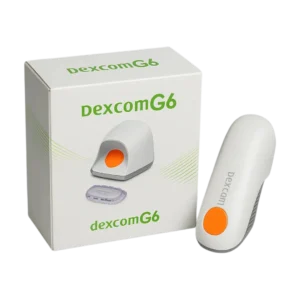
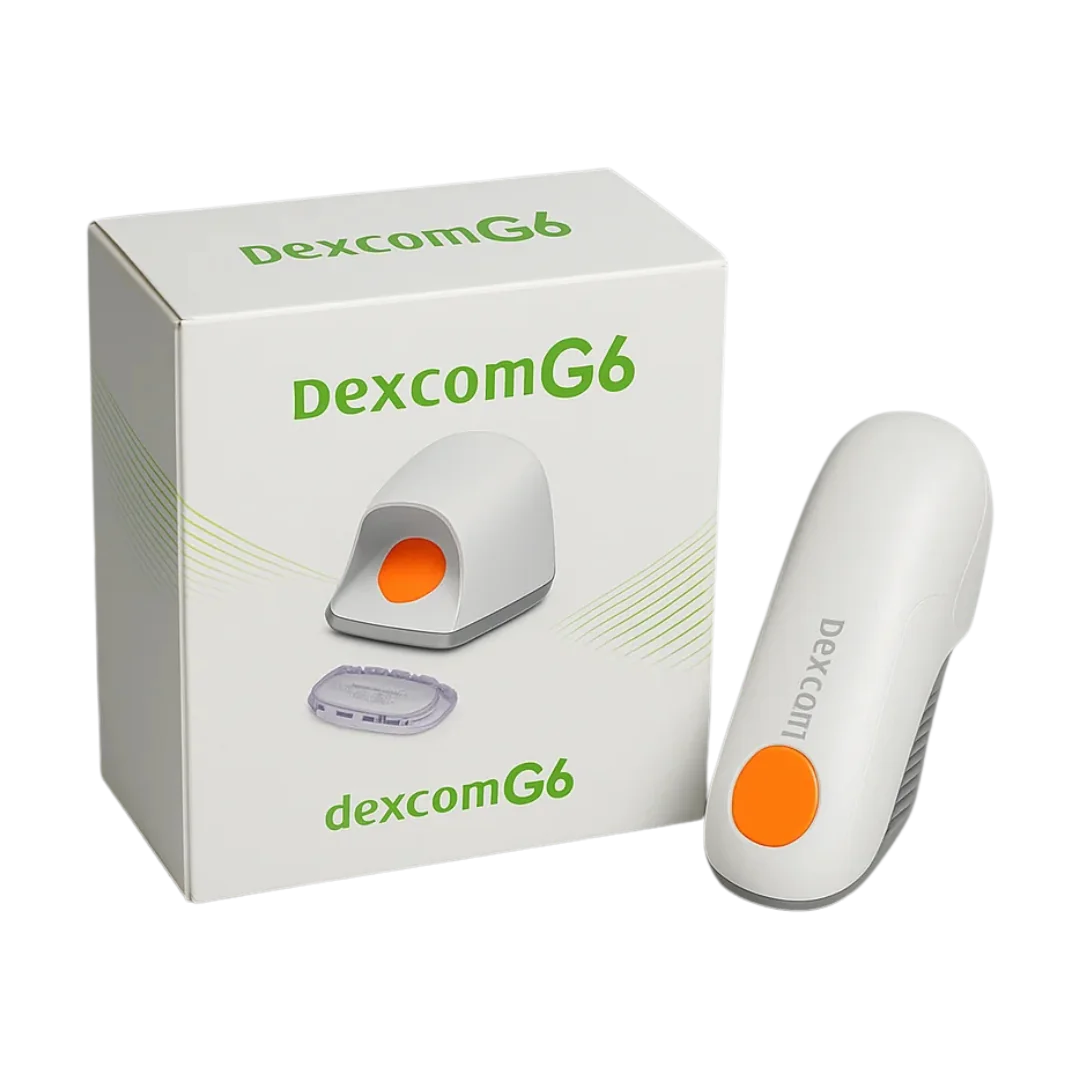
The system includes three main components: a sensor and applicator, a transmitter, and a compatible smartphone app or dedicated receiver. Glucose readings are sent to the display device approximately every five minutes, allowing users to view their current reading, observe trends, and receive alerts when glucose levels become too high or too low. The system is indicated for diabetes management in people aged two years and older in the United States. Availability and approved uses may differ by country.
2. How Does the Dexcom G6 Work?
The Dexcom G6 sensor is inserted under the skin using its applicator. It measures glucose in the fluid surrounding the body’s cells, known as interstitial fluid, rather than directly measuring glucose in a blood sample.
The transmitter processes the sensor’s measurements and sends estimated glucose readings to a compatible display device. Users can see whether glucose levels are rising, falling, or remaining relatively stable. This trend information can help people and their healthcare professionals assess patterns and make informed diabetes-management decisions.
The Dexcom G6 is factory-calibrated, meaning routine finger-stick calibration is generally not required. However, if a reading does not match how the user feels or what they expect, they should use a blood glucose meter and follow the system’s instructions and their healthcare professional’s advice. Source: Dexcom official product information
3. Key Features and Benefits
The Dexcom G6 offers several features that may support day-to-day diabetes management:
- Continuous glucose monitoring: Provides regularly updated glucose estimates throughout the day and night.
- High and low glucose alerts: Helps users identify readings that cross their configured thresholds.
- Trend information: Shows whether glucose is rising or falling.
- Predictive low-glucose alert: The system can provide an alert when a serious low-glucose event may be approaching.
- Compatible display options: Readings can be viewed on supported smartphones or a dedicated receiver.
- Data sharing: Compatible features can allow users to share readings with selected caregivers or family members.
- Connected-device compatibility: The G6 can work with certain approved or cleared diabetes-management devices, depending on the model, country, and configuration.
These features can make glucose patterns easier to recognize and may help users discuss treatment adjustments with their healthcare team. They do not eliminate the need for appropriate diabetes care or guarantee that every glucose event will be detected.
4. How Long Does the Dexcom G6 Last?
The Dexcom G6 sensor is designed for use for up to 10 days per sensor session. A new sensor is generally required after the session ends, according to the product instructions.
The sensor needs a warm-up period before it begins displaying glucose readings. The standard system’s warm-up period is approximately two hours. The transmitter has a separate service life and must be replaced according to the manufacturer’s instructions; its lifespan should not be confused with the sensor’s 10-day wear period.
Before purchasing supplies, check which components are included in the package. A sensor-only pack, transmitter, receiver, and complete starter kit are different items. Confirm compatibility, expiry dates, local availability, and the manufacturer’s current instructions before use.
5. Who Can Use the Dexcom G6?
In the United States, the Dexcom G6 is indicated for diabetes management in people aged two years and older. It may be used by people with different diabetes-management needs, including some individuals using insulin pumps or other compatible devices.
Whether the G6 is suitable for a particular person depends on their age, diabetes treatment, medical needs, device compatibility, and local regulatory approval. A healthcare professional can help determine whether continuous glucose monitoring is appropriate and explain how to interpret readings.
The Dexcom G6 is a monitoring device, not a treatment for diabetes. It does not independently replace prescribed medication, insulin, nutrition guidance, or clinical follow-up.
6. Safety, Accuracy, and Important Precautions
Although continuous glucose monitoring can be useful, sensor readings are estimates and may not always match blood glucose measurements exactly. Glucose changes in interstitial fluid can lag behind changes in blood glucose, particularly when glucose levels are changing rapidly.
Users should follow the official instructions for sensor placement, skin preparation, alerts, and troubleshooting. If symptoms do not match the displayed reading, use a blood glucose meter as directed and seek medical advice when necessary. Do not ignore symptoms of severe hypoglycemia or hyperglycemia simply because the monitor displays a reassuring number.
The Dexcom G6 system is not intended to be worn during MRI, CT, or diathermy procedures under its U.S. safety instructions. Tell healthcare professionals that you use the device before undergoing imaging or treatment, and follow their instructions about removing it.
People using insulin or other glucose-lowering medicines should follow their prescribed treatment plan and discuss how CGM alerts should guide their response. Incorrect interpretation of readings or inappropriate treatment changes can be dangerous.
7. Dexcom G6 Versus Traditional Blood Glucose Testing
A traditional blood glucose meter provides a measurement from a blood sample at the time of testing. The Dexcom G6 provides recurring glucose estimates and trend information, which can help reveal patterns that occasional finger-stick tests may miss.
Neither method should be treated as infallible. A CGM may be convenient for tracking trends, while a blood glucose meter can be useful when a sensor reading seems inconsistent with symptoms or when the device instructions recommend confirmation. The best monitoring approach depends on individual circumstances and guidance from a qualified healthcare professional.
Frequently Asked Questions
Does the Dexcom G6 require finger-stick calibration?
Routine calibration is generally not required because the G6 is factory-calibrated. A blood glucose meter may still be needed when readings do not match symptoms or when the instructions recommend confirmation.
How often does the Dexcom G6 update readings?
The system typically sends updated glucose readings approximately every five minutes.
Can the Dexcom G6 connect to a smartphone?
Yes, it can connect to supported smartphones. Check the manufacturer’s current compatibility list because supported devices and operating-system versions can change.
How long can one Dexcom G6 sensor be worn?
A sensor is designed for up to 10 days of use, subject to the product instructions and any applicable local guidance.
Does the Dexcom G6 cure diabetes?
No. It is a glucose-monitoring device that supports diabetes management; it does not cure diabetes or replace prescribed treatment.
Conclusion
The Dexcom G6 is a continuous glucose monitoring system that provides regular glucose estimates, trend information, and alerts to support diabetes management. Its wearable sensor and compatible display options can help users and healthcare professionals identify glucose patterns and make informed care decisions. For safe and effective use, follow the manufacturer’s instructions, confirm device compatibility, and work with a healthcare professional to determine how readings should guide treatment.
Medical-device disclaimer: This article is for general educational and SEO purposes only. It is not a substitute for the official product instructions or individualized medical advice. Product indications and availability vary by country. Consult a qualified healthcare professional for advice about diabetes monitoring and treatment.