Co-codamol: 7 Essential Facts About Pain Relief and Safety
Co-codamol is a combination painkiller containing two active ingredients: paracetamol and codeine. It is used to relieve certain types of pain when simpler painkillers alone may not provide enough relief. Paracetamol helps relieve pain, while codeine is an opioid that changes how the brain and nervous system respond to pain.
Understanding the uses, strengths, side effects, and safety precautions associated with co-codamol is important before using this medication. Because codeine can cause dependence and paracetamol can cause serious liver damage when taken in excess, it should always be used according to the product instructions and advice of a qualified healthcare professional.
1. What Is Co-codamol?
Co-codamol combines paracetamol, also known as acetaminophen in some countries, with codeine phosphate. It is available in different strengths and formulations, including tablets, capsules, and soluble tablets.
In the United Kingdom, common tablet strengths include:
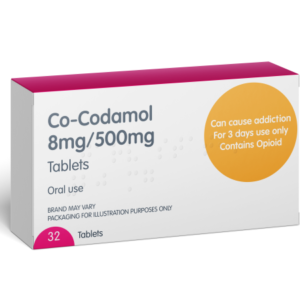
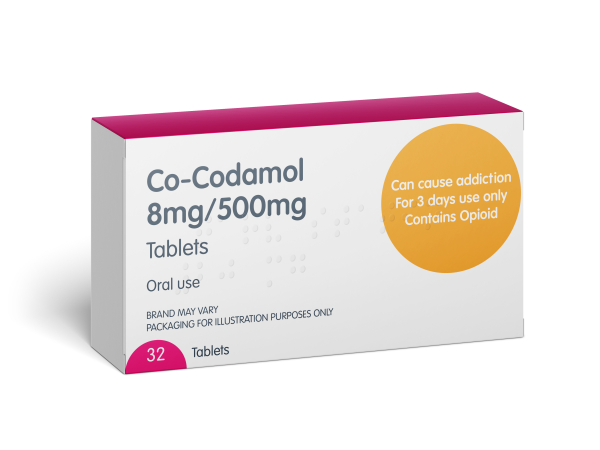
- 8mg/500mg: 8mg codeine and 500mg paracetamol per tablet.
- 15mg/500mg: 15mg codeine and 500mg paracetamol per tablet.
- 30mg/500mg: 30mg codeine and 500mg paracetamol per tablet.
Availability and prescription requirements vary by country and product. The strength should always be checked on the packaging because the amount of codeine differs, even when the paracetamol content is the same.
Co-codamol is not suitable for every type of pain or every patient. A healthcare professional can help determine whether this combination is appropriate based on the cause and severity of the pain, medical history, and other medicines being taken.
2. What Is Co-codamol Used For?
Co-codamol is used for short-term relief of certain painful conditions. Depending on the formulation and prescribing guidance, these may include toothache, muscular pain, period pain, and pain following an injury or procedure.
It may be considered when painkillers such as paracetamol or ibuprofen alone have not provided adequate relief and a clinician determines that adding codeine is appropriate.
Co-codamol treats pain symptoms rather than necessarily treating the underlying cause. Persistent, unexplained, or worsening pain should be medically assessed instead of being managed by repeatedly increasing painkiller use.
For headaches in particular, frequent or prolonged use of painkillers containing codeine can contribute to medication-overuse headaches. A clinician can help identify a more appropriate treatment plan if headaches keep returning.
3. How Does Co-codamol Work?
The two ingredients in co-codamol relieve pain through different mechanisms.
Paracetamol helps reduce pain signals and can also lower an elevated body temperature. It is commonly used for headaches, toothache, and other everyday painful conditions.
Codeine belongs to the opioid family of medicines. It acts on receptors in the central nervous system and changes how pain signals are processed. The body converts some codeine into morphine, which contributes to its pain-relieving effects. The extent of this conversion varies between individuals.
Combining the ingredients can provide additional pain relief for some patients. However, codeine can also cause drowsiness, constipation, slowed breathing, tolerance, and dependence. The benefits and risks should therefore be reviewed carefully.
4. Co-codamol Dosage and Administration
The appropriate co-codamol dose depends on the product strength, the patient’s age, medical history, and the instructions provided by the prescriber. Different formulations and national guidelines may have different requirements.
For adults, some UK product information permits one or two tablets per dose, with doses separated by at least four to six hours and a maximum of eight tablets in 24 hours. This is not a personalized dosing recommendation: patients must follow the instructions for their specific product and clinician.
Important precautions include:
- Never take more than the prescribed or package-recommended amount.
- Do not combine co-codamol with other medicines containing paracetamol unless a healthcare professional has specifically confirmed it is safe.
- Swallow tablets or capsules according to the product instructions.
- Do not take it for longer than recommended.
- Do not increase the dose if the pain remains severe; seek medical advice instead.
Taking too much paracetamol can cause severe liver damage, even when a person initially feels well. If an overdose is suspected, obtain urgent medical help immediately rather than waiting for symptoms.
5. Common Side Effects of Co-codamol
Like other medicines, co-codamol can cause side effects. Commonly reported effects include:
- Constipation
- Nausea or vomiting
- Drowsiness or sleepiness
- Dizziness
- Dry mouth
Codeine can slow digestion, which contributes to constipation, and it can impair alertness. Avoid driving, operating machinery, or doing activities requiring full concentration if you feel sleepy or dizzy.
More serious adverse effects can include slowed or difficult breathing, severe allergic reactions, and liver injury from excessive paracetamol intake. Seek emergency medical assistance if someone develops severe breathing difficulty, cannot be woken, or shows signs of a serious reaction.
Side effects may be more likely when co-codamol is combined with alcohol, sleeping tablets, sedatives, or other medicines that suppress the central nervous system.
6. Important Warnings, Dependence, and Interactions
Codeine is an opioid and can cause tolerance, physical dependence, and addiction, particularly with prolonged use or higher doses. Stopping regular long-term use suddenly can cause withdrawal symptoms. Anyone who has been taking co-codamol regularly for an extended period should discuss a safe reduction plan with their prescriber.
Avoid alcohol while taking co-codamol. Combining it with opioids, benzodiazepines, sleeping medicines, or other sedatives can increase the risk of profound drowsiness and dangerously slow breathing.
People with breathing disorders, significant liver or kidney problems, or a history of substance-use problems should discuss their circumstances with a healthcare professional before using co-codamol.
Co-codamol is not suitable for children under 12. Codeine also has important restrictions for some adolescents and breastfeeding patients because its conversion to morphine can be unpredictable. Pregnancy and breastfeeding require specific professional advice, and some product leaflets explicitly contraindicate use during breastfeeding.
Always tell a doctor or pharmacist about all prescription medicines, non-prescription products, and supplements being used. This helps identify potential interactions and avoid accidental duplication of paracetamol.
7. Safe Use and Alternatives for Pain Relief
Safe pain management begins with understanding the cause of the pain. Depending on the condition, alternatives may include paracetamol alone, an anti-inflammatory medicine such as ibuprofen when appropriate, local treatments, physical therapy, or treatment directed at the underlying problem.
Not every alternative is suitable for everyone. For example, anti-inflammatory medicines may be unsuitable for people with certain stomach, kidney, or cardiovascular conditions.
Use co-codamol for the shortest period recommended by the healthcare professional. If the medicine does not provide adequate relief, or if pain returns frequently, arrange a review instead of taking extra doses.
Keep co-codamol in its original packaging, stored securely and out of the reach of children. Do not share prescribed medication with another person, even if they report similar symptoms.
Frequently Asked Questions About Co-codamol
What is co-codamol used for?
Co-codamol is a combination painkiller used for certain types of pain when simpler painkillers alone may not provide sufficient relief.
What ingredients does co-codamol contain?
It contains paracetamol and codeine phosphate. The amount of codeine varies by strength, while common UK tablets contain 500mg of paracetamol per tablet.
Can co-codamol cause addiction?
Yes. Codeine is an opioid that can cause tolerance, physical dependence, and addiction. Use it only as directed and discuss prolonged use with a healthcare professional.
Can co-codamol be taken with paracetamol?
Do not combine it with additional paracetamol-containing medicines unless a healthcare professional has specifically advised that it is safe. Taking too much paracetamol can cause serious liver damage.
Can I drink alcohol while taking co-codamol?
It is best to avoid alcohol because it can increase drowsiness and other side effects. Alcohol combined with codeine can also increase the risk of dangerous breathing problems.
How long can co-codamol be taken?
The duration depends on the reason for treatment and the prescriber’s instructions. In UK guidance, it purchased from a pharmacy should not be taken for more than three days without medical advice.
Conclusion
It combines paracetamol and codeine to relieve certain types of pain. Although it can be effective when appropriately prescribed, it carries important risks, including opioid dependence, drowsiness, breathing suppression, and liver damage from excessive paracetamol.
Following the correct product instructions, avoiding alcohol and duplicate paracetamol products, and seeking medical advice when pain persists can help support safer pain management.
Medical disclaimer: This article is for general educational purposes only and does not replace professional medical advice, diagnosis, or treatment. It should be used according to the specific product leaflet and the instructions of a qualified healthcare professional.