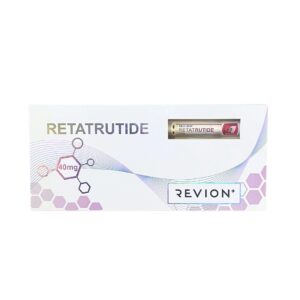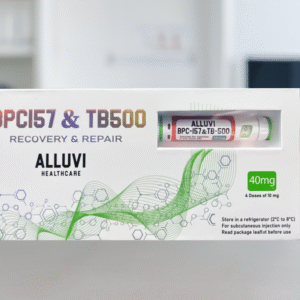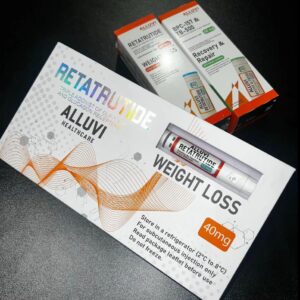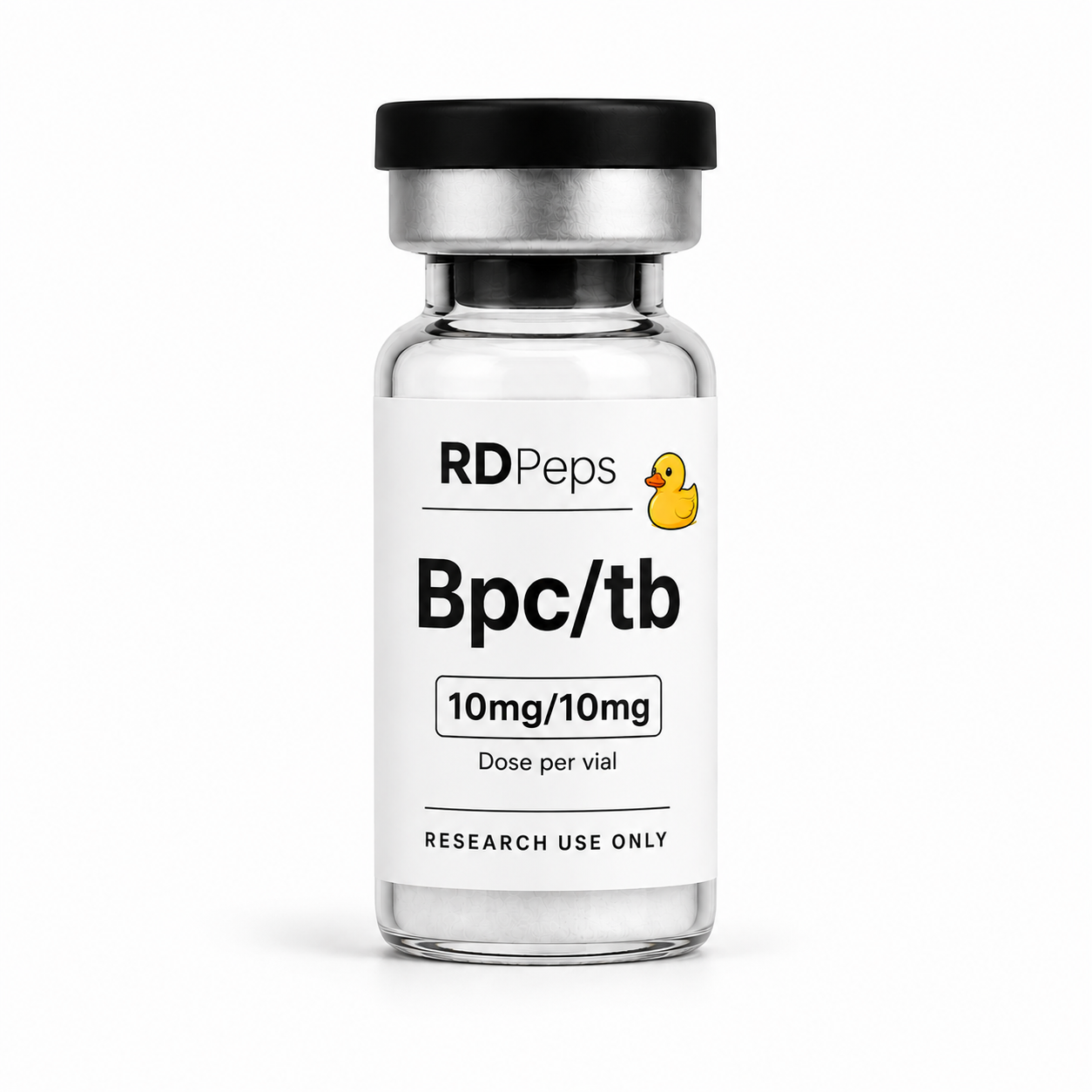
BPC/TB 10mg/10mg Vial is a product label commonly associated with a combination of two experimental peptides: BPC-157 and thymosin beta-4-related compounds, often marketed as TB-500. The “10mg/10mg” designation generally indicates the stated amount of each component, but labeling alone cannot verify the ingredients, purity, sterility, or suitability for human use. These compounds have attracted interest in research involving tissue repair and biological processes, but reliable clinical evidence establishing their safety and effectiveness in humans remains limited.
What Is BPC/TB 10mg/10mg Vial?
BPC/TB products are marketed as peptide combinations containing BPC-157 and a thymosin beta-4-related ingredient. The exact identity of the second ingredient can vary between products, so the label and manufacturer’s documentation should be checked carefully.
BPC-157 is a synthetic peptide studied primarily in preclinical research. TB-500 is a name used commercially for products associated with thymosin beta-4 or related peptide fragments. These names should not be assumed to describe chemically identical substances in every formulation.
A vial labeled “10mg/10mg” typically claims to contain 10mg of each component. This does not independently establish that the vial contains those amounts or meets pharmaceutical quality standards.
What Are BPC-157 and TB-500?
BPC-157
BPC-157 is a synthetic peptide investigated in laboratory and animal studies for possible effects on biological processes associated with tissue repair, inflammation, and blood-vessel formation.
Although some preclinical findings have generated scientific interest, these results cannot establish that BPC-157 safely or effectively treats injuries or medical conditions in humans. High-quality clinical evidence remains insufficient.
TB-500 and thymosin beta-4-related compounds
Thymosin beta-4 is a naturally occurring peptide involved in cellular processes, including actin regulation. Researchers have investigated its biological roles in cell migration and tissue-related processes.
TB-500 is a commercial name associated with thymosin beta-4-related products, but its precise composition may differ between suppliers. Research involving thymosin beta-4 should not automatically be interpreted as proof of the effectiveness or safety of every product marketed as TB-500.
What Is the BPC/TB Combination Studied For?
The combination is commonly promoted online for recovery and tissue-related purposes. However, marketing claims are not equivalent to established clinical benefits.
Research interest includes several areas:
- Tissue-repair pathways: Laboratory research has explored biological processes involved in cellular repair.
- Inflammatory responses: Researchers have investigated mechanisms that may influence inflammation in experimental models.
- Cellular activity: Thymosin beta-4-related research has examined cell migration and other biological functions.
- Musculoskeletal research: Preclinical studies have explored possible relevance to tissue and injury-related processes.
These research areas do not establish that a combined BPC/TB vial improves recovery, heals injuries, reduces pain, or prevents damage in people. The effectiveness of the combination itself also remains insufficiently established.
How Might These Peptides Work?
BPC-157 and thymosin beta-4-related compounds are associated with different proposed biological mechanisms.
BPC-157 has been studied in experimental models involving signaling pathways, vascular processes, and tissue responses. Thymosin beta-4 is involved in actin regulation, which contributes to cellular structure and movement.
However, the mechanisms and clinical significance of these compounds in humans are not fully understood. Combining them does not automatically produce additive benefits, and there is insufficient clinical evidence to establish an effective or safe combination protocol.
Safety Considerations for BPC/TB 10mg/10mg Vial
One of the main concerns with experimental peptide products is the limited amount of reliable human safety information.
Important considerations include:
- Uncertain composition: Products may differ in the identity or quantity of their ingredients.
- Sterility concerns: Injectable products from unverified sources may be contaminated.
- Allergic reactions: Unexpected reactions may occur with peptide ingredients or contaminants.
- Unknown interactions: Potential interactions with medicines and other substances may not be adequately characterized.
- Limited long-term evidence: The long-term effects of these products in humans are not sufficiently established.
Injecting an unverified product can introduce serious risks, including infection and other complications. Do not use an experimental peptide based solely on online recommendations or seller-provided claims.
Seek urgent medical attention for difficulty breathing, facial or throat swelling, fainting, or signs of a severe reaction after exposure to a substance.
Regulatory Status and Product Verification
The regulatory status of BPC-157, TB-500, and related products varies by jurisdiction and intended use. They should not automatically be considered approved medicines for injury treatment or recovery.
Before relying on claims about a BPC/TB product, consider the following:
- Verify the exact chemical identity of both ingredients.
- Check whether the product has authorization from the relevant medicines regulator.
- Treat seller-provided certificates as limited evidence rather than proof of pharmaceutical quality.
- Confirm that any medical claims are supported by reliable human clinical research.
- Consult a qualified healthcare professional before considering an experimental product.
A label stating “10mg/10mg” does not establish authenticity, purity, sterility, or clinical suitability.
Frequently Asked Questions
What does BPC/TB 10mg/10mg mean?
It generally indicates a product claiming to contain 10mg of BPC-157 and 10mg of a TB-500 or thymosin beta-4-related ingredient. The actual composition requires independent verification.
Is BPC/TB proven to accelerate healing?
No. Current evidence is insufficient to establish that the combination safely accelerates healing or improves injury recovery in humans. BPC/TB 10mg/10mg Via
Is TB-500 the same as thymosin beta-4?
The names are related in commercial usage, but they should not be assumed to represent identical formulations. The exact ingredient and chemical identity need verification.
Are long-term side effects known?
Comprehensive long-term human safety data are lacking. This uncertainty is a significant concern when evaluating experimental peptide products.
Can BPC/TB be combined with prescription medicines?
Potential interactions are not adequately characterized. Consult a healthcare professional before considering experimental peptides alongside prescription medicines or supplements.
Conclusion
BPC/TB 10mg/10mg Vial is a label commonly associated with a combination of BPC-157 and a TB-500 or thymosin beta-4-related compound. Although both have attracted scientific interest, evidence supporting the safety and effectiveness of the combined product in humans remains insufficient. Product identity, sterility, regulatory status, and possible interactions are important considerations. Medical guidance and reliable clinical evidence should take priority over unverified claims about injury recovery or tissue repair.