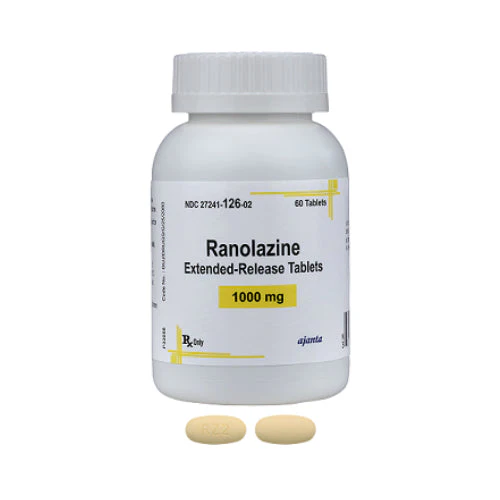
Ranolazine: 7 Essential Facts About Uses and Safety
Ranolazine is a prescription medication used to manage chronic angina, a condition that causes chest discomfort when the heart muscle does not receive enough oxygen-rich blood. Ranolazine belongs to a group of medicines called antianginal agents. It helps reduce the frequency of angina symptoms and may improve a person’s ability to carry out everyday activities.
Understanding ranolazine involves learning about its intended use, how it works, possible side effects, drug interactions, and important precautions. This guide explains seven essential facts about ranolazine to support informed discussions with a qualified healthcare professional.
1. What Is Ranolazine?
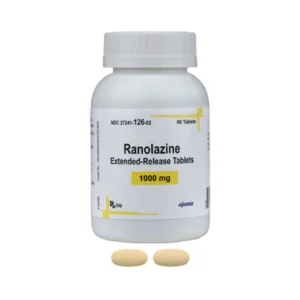
This is an antianginal medicine prescribed for chronic angina. It is available in extended-release tablet formulations designed to release the medication gradually.
In the United States, ranolazine extended-release tablets are commonly available in 500mg and 1,000mg strengths. Product strengths and approved uses may vary by country, so patients should check their packaging and local prescribing information.
Ranolazine is generally used alongside other treatments when additional control of chronic angina is needed. It is not a substitute for emergency treatment of sudden or worsening chest pain.
2. What Is Ranolazine Used For?
The main approved use of ranolazine in the United States is the treatment of chronic angina. Angina occurs when the heart muscle does not receive enough oxygen-rich blood to meet its needs.
Symptoms may include pressure, tightness, discomfort, or pain in the chest. Some people also experience discomfort in the arms, shoulders, neck, jaw, or back.
This may help reduce persistent angina symptoms as part of a broader treatment plan. Depending on the individual’s condition, clinicians may also prescribe medicines such as beta-blockers, nitrates, or calcium channel blockers.
It is not intended to treat a sudden angina attack. New, severe, or persistent chest pain requires urgent medical assessment, especially when accompanied by shortness of breath, sweating, nausea, or faintness.
3. How Does Ranolazine Work?
This affects electrical and chemical processes within heart muscle cells. Its precise antianginal mechanism is not fully understood, but it is believed to improve certain aspects of the heart’s function under conditions of reduced oxygen supply.
Unlike some other angina medicines, ranolazine generally has relatively small effects on heart rate and blood pressure at usual therapeutic doses. This can make it a useful option for certain patients when symptoms persist despite other treatments.
However, it does not eliminate the underlying causes of coronary artery disease. It should be used as part of a treatment plan that may include cardiovascular risk management, lifestyle changes, and other prescribed medicines.
4. What Are the Possible Side Effects?
This can cause side effects, although not everyone experiences them. Commonly reported effects include:
- Dizziness or lightheadedness.
- Headache.
- Constipation.
- Nausea.
Some people may also experience weakness or other digestive symptoms. Dizziness can affect coordination, so patients should understand how the medicine affects them before driving or operating machinery.
More serious concerns include changes in the heart’s electrical activity, which may increase the risk of abnormal heart rhythms in susceptible individuals. Fainting, a fast or irregular heartbeat, or severe dizziness warrants prompt medical evaluation.
Seek emergency medical care for severe chest pain, difficulty breathing, collapse, or other potentially life-threatening symptoms.
5. Which Drug Interactions Matter?
This can interact with several medicines, affecting how much medication remains in the bloodstream or increasing the risk of side effects.
Important examples include:
- Certain antibiotics and antifungals: Strong CYP3A inhibitors, including clarithromycin and ketoconazole, can dangerously increase ranolazine exposure.
- Some heart medicines: Diltiazem and verapamil can increase ranolazine levels, and dose restrictions may apply.
- Certain seizure medicines: Drugs such as carbamazepine and phenytoin can reduce ranolazine exposure and may make treatment less effective.
- Some cholesterol medicines: Ranolazine can increase exposure to certain statins, including simvastatin, requiring dose limits.
- Other medicines affecting heart rhythm: Combining ranolazine with certain QT-prolonging medicines may increase the risk of electrical abnormalities.
This is not a complete interaction list. Tell your doctor and pharmacist about all prescription medicines, over-the-counter products, and supplements you use. Do not start or stop a medicine without checking for interactions.
6. Who Needs Extra Precautions With Ranolazine?
It is not suitable for everyone. In U.S. prescribing information, it is contraindicated in people with liver cirrhosis and in those taking certain strong CYP3A inhibitors or CYP3A inducers.
People with moderate or severe kidney impairment may require monitoring of kidney function. Rare cases of acute kidney failure have been reported in patients with severe renal impairment.
Additional assessment may be necessary for people with a prolonged QT interval, a history of abnormal heart rhythms, or a family history of certain inherited rhythm disorders.
Patients should follow the prescribed directions for their specific formulation. Extended-release tablets generally need to be swallowed whole rather than crushed, broken, or chewed. Never change the prescribed amount without consulting the prescriber.
7. How Can Ranolazine Be Used Safely?
Safe treatment begins with following the prescription and attending recommended medical appointments. Your clinician may review your symptoms, other medications, kidney function, and risk factors for abnormal heart rhythms.
In U.S. labeling, treatment commonly starts at 500mg twice daily, with adjustments made according to symptoms and tolerability. This is general prescribing information, not a personal dosing recommendation; the appropriate regimen depends on the specific product and clinical circumstances.
If you miss a dose, follow the instructions provided with your medication and do not double the next dose to make up for it. Ask a pharmacist if you are uncertain about the correct procedure.
Keep it in its original packaging, store it according to the label, and keep it out of children’s reach. Continue other prescribed heart treatments unless your clinician advises otherwise.
Frequently Asked Questions
What is ranolazine used for?
It is used to treat chronic angina and help reduce ongoing heart-related chest discomfort.
Does ranolazine treat a sudden chest-pain attack?
No. It is not intended to provide immediate relief during an acute angina attack. Follow your emergency care plan and seek urgent medical help when necessary.
What are the common side effects of ranolazine?
Common side effects include dizziness, headache, constipation, and nausea.
Can ranolazine interact with other medicines?
Yes. Some antibiotics, antifungals, heart medicines, cholesterol medicines, and other drugs can interact with ranolazine. A pharmacist or prescriber should review the full medication list.
Conclusion
This is a prescription antianginal medicine that can help manage chronic angina when used as part of an appropriate cardiovascular treatment plan. Its benefits must be balanced against possible side effects, drug interactions, kidney-related precautions, and the risk of changes to the heart’s electrical rhythm.
Understanding it and following professional guidance can help patients use their medication more safely. New or severe chest pain should never be ignored or treated by relying on it alone.
Medical disclaimer: This article is for educational purposes only and does not replace professional medical advice, diagnosis, or treatment.