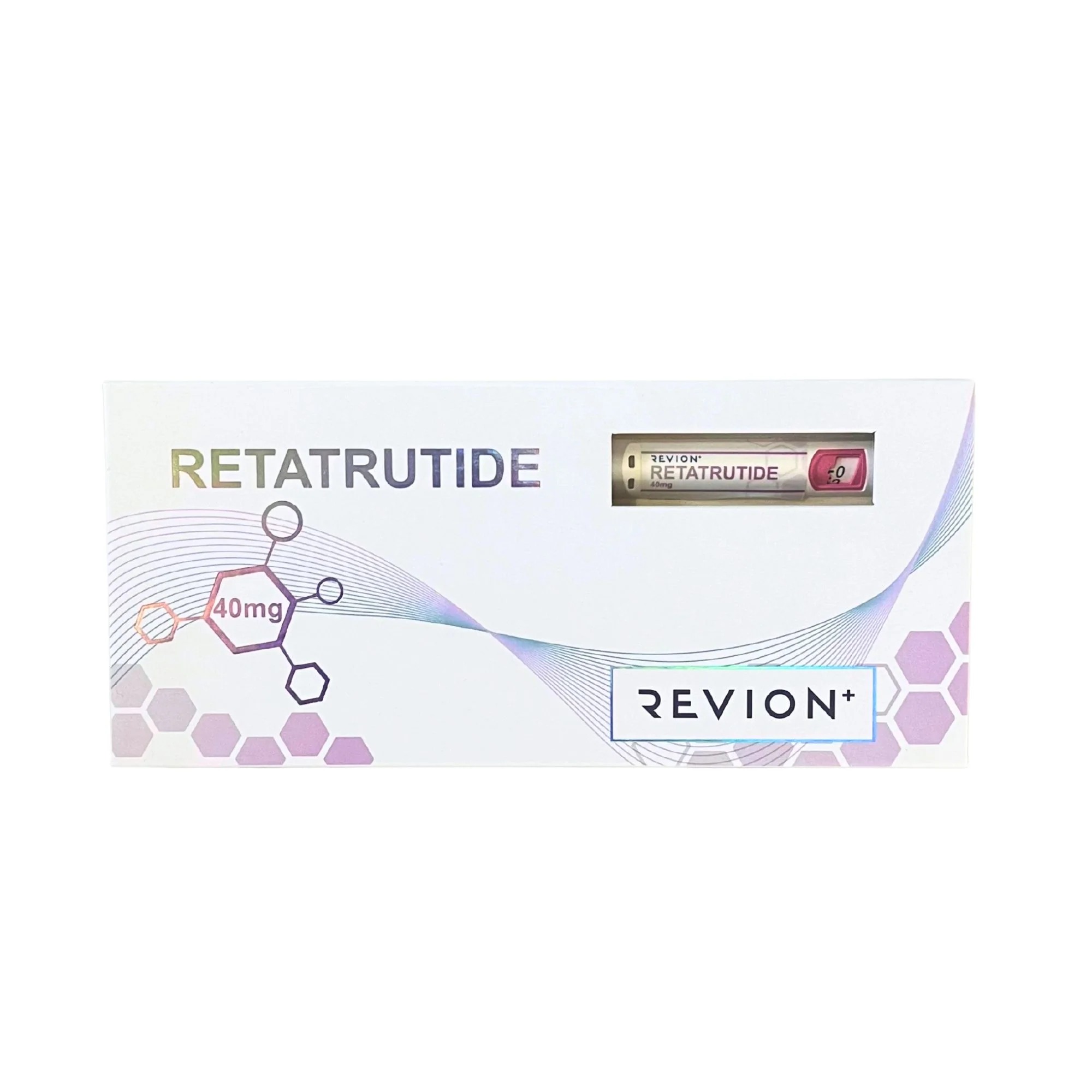
7 Essential Facts About Revion Retatrutide
Introduction
Revion Retatrutide is a product name associated with retatrutide, an investigational peptide attracting scientific interest because of its potential role in metabolic research. Scientists are studying retatrutide to better understand how multiple hormone receptors influence appetite, energy balance, blood sugar regulation, and body weight.
However, it is important to distinguish a branded product listing from a clinically approved medicine. Retatrutide remains an investigational drug, and products sold online under this name are not equivalent to an approved prescription treatment. Understanding the science, current evidence, and safety considerations helps readers make informed decisions.
1. What Is Revion Retatrutide?
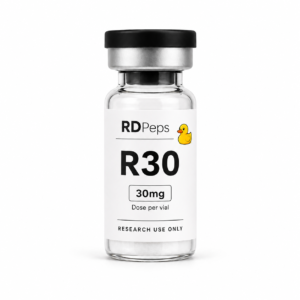
Revion Retatrutide is a branded product name used by certain online peptide suppliers. The name alone does not establish the product’s identity, purity, manufacturing quality, or regulatory status.
Retatrutide is an experimental molecule developed by Eli Lilly and Company. Researchers are investigating its potential applications in obesity, type 2 diabetes, and other conditions associated with metabolic health.
Any claims about a specific Revion-branded product should be evaluated separately from published clinical research on the investigational molecule. Product labels, certificates of analysis, and supplier statements cannot independently demonstrate that a product is approved or suitable for human use.
2. How Does Retatrutide Work?
Retatrutide is described scientifically as a triple hormone-receptor agonist. It activates three receptor pathways:
- GLP-1: Involved in appetite regulation, glucose control, and digestive processes.
- GIP: A hormone pathway associated with insulin secretion and metabolic regulation.
- Glucagon: A pathway involved in energy metabolism and the regulation of blood glucose.
By targeting these three receptors, retatrutide offers researchers a way to investigate how combined hormonal signaling may affect body weight and metabolic function.
Its mechanism differs from medicines that target only GLP-1 or a combination of GLP-1 and GIP. Nevertheless, a promising mechanism does not establish that an unapproved product is safe or effective.
3. What Does Clinical Research Investigate?
Clinical studies of retatrutide have examined its potential effects on body weight and metabolic markers. Research programs have also investigated its possible role in type 2 diabetes and obesity-related complications.
Researchers assess outcomes such as changes in body weight, blood glucose, tolerability, and adverse events. Larger and longer studies are important because early findings cannot answer every question about long-term safety or effectiveness.
Results from controlled clinical trials should not automatically be applied to products purchased from online sellers. Trial participants receive study materials under defined protocols and medical supervision, conditions that may not be replicated by commercial research-labelled products.
4. Is Revion Retatrutide Approved for Human Use?
Retatrutide has not received approval for general human use. Eli Lilly continues to describe it as an investigational medicine being evaluated through clinical trials.
A website describing a product as premium, laboratory-tested, or high-purity does not change its regulatory status. Nor does a product’s brand name prove that it contains the same material used in clinical studies.
Consumers should be cautious of claims suggesting that an investigational peptide is an approved weight-management treatment. Anyone considering medical treatment for obesity or diabetes should consult a qualified healthcare professional about authorized options.
5. What Safety Considerations Matter?
The safety profile of an investigational medicine continues to be evaluated throughout clinical development. Gastrointestinal effects, including nausea, vomiting, diarrhea, and constipation, have been reported in retatrutide clinical research.
Other important questions concern longer-term outcomes, individual differences in response, and the management of potential adverse effects. The full safety profile may not be established until additional research and regulatory assessment are completed.
Online products introduce separate uncertainties. Their ingredients, concentration, sterility, storage conditions, and manufacturing quality may not be independently verified. A certificate of analysis, even when genuine, does not establish clinical safety or authorization for human use.
Retatrutide products sold outside authorized clinical trials should not be self-administered. Seek medical advice before making decisions about weight management or metabolic health.
6. How Should Product Quality Claims Be Evaluated?
When reviewing information about a branded research compound, readers should distinguish laboratory documentation from medical approval.
Useful questions include:
- Is the manufacturer and supplier clearly identified?
- Is documentation specific to the actual batch?
- Can the testing laboratory and analytical method be independently verified?
- Does the documentation establish identity and purity only, or does it make unsupported claims about clinical safety?
- Are the product’s intended use and regulatory limitations stated clearly?
Even credible analytical testing cannot demonstrate that an investigational product is appropriate for injection or other human use. Transparent documentation should never be confused with proof of authorization.
7. What Is the Future of Retatrutide Research?
Retatrutide remains an important subject of metabolic research because it targets three hormone receptors associated with energy balance and glucose regulation. Ongoing clinical studies may provide further information about its potential benefits, limitations, and risks.
Any future availability for routine medical treatment depends on the completion of clinical development and the relevant regulatory review. Approval timelines and outcomes should not be assumed in advance.
Readers can follow announcements from Eli Lilly, clinical trial registries, and relevant medicines regulators for reliable updates. These sources provide a stronger basis for understanding scientific progress than promotional claims from online suppliers.
Frequently Asked Questions
What is Revion Retatrutide?
It is a branded product name associated with retatrutide, an investigational molecule being studied for its effects on metabolic health.
Is retatrutide approved for weight loss?
No. Retatrutide is investigational and has not been approved for general human use.
How does retatrutide differ from semaglutide?
Retatrutide targets GLP-1, GIP, and glucagon receptors. Semaglutide primarily targets the GLP-1 receptor. They are different molecules with different clinical evidence and regulatory statuses.
Does a high-purity claim prove a product is safe?
No. A purity result does not establish sterility, correct formulation, clinical safety, effectiveness, or regulatory approval.
Where can readers find reliable information?
Consult official clinical trial records, announcements from Eli Lilly, and guidance from relevant medicines regulators.
Conclusion
Revion Retatrutide is a product name connected to growing interest in investigational metabolic compounds. Retatrutide’s triple-receptor mechanism makes it a subject of ongoing scientific study, but research findings must be distinguished from claims about individual products.
The most responsible approach is to rely on verified scientific evidence, evaluate product documentation carefully, and recognize the limitations of unapproved research compounds. Retatrutide should not be used outside authorized clinical trials.
Medical and research disclaimer: This article is for general educational purposes only and is not medical advice. Retatrutide is investigational and has not been approved for general human use. Products marketed under the Revion Retatrutide name should not be assumed to be clinically verified or safe for human administration.
Reviews
There are no reviews yet.