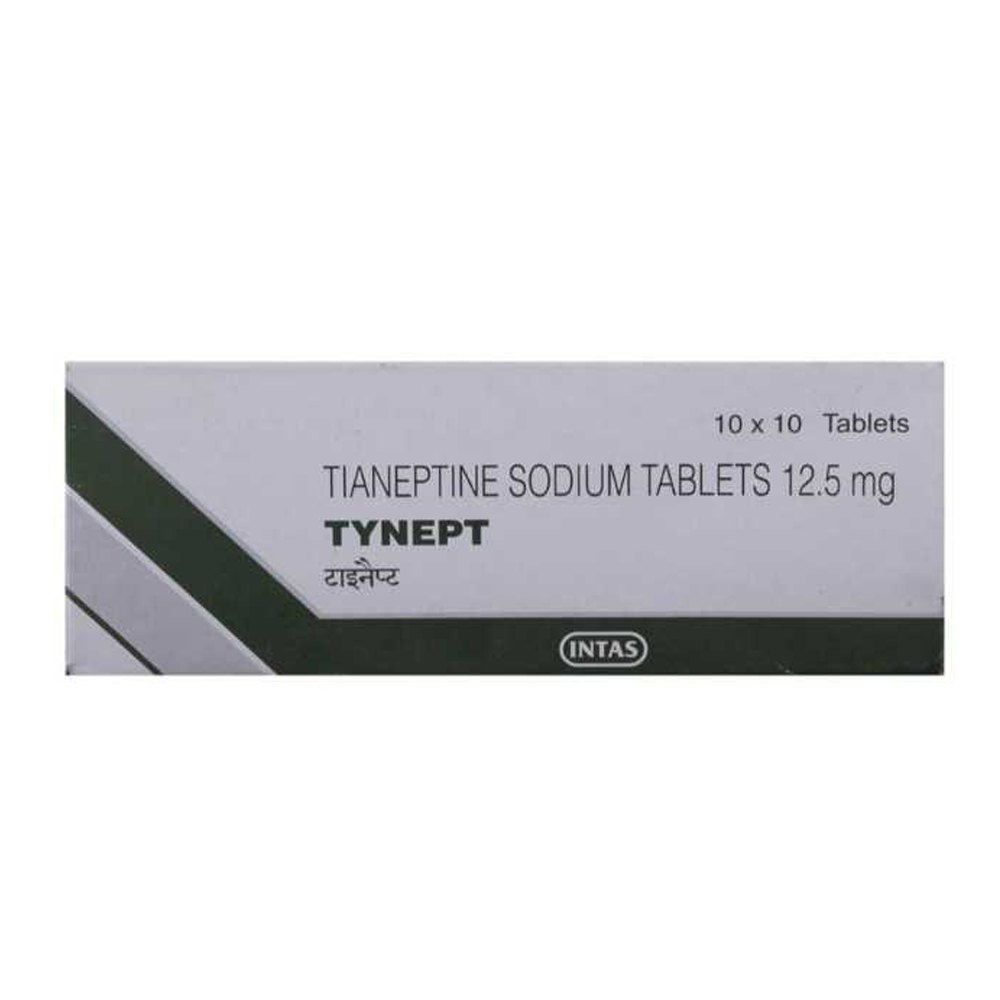
7 Important Facts About TYNEPT 12.5mg: Safe Use Tianeptine 12.5 mg – TYNEPT Intas
Introduction
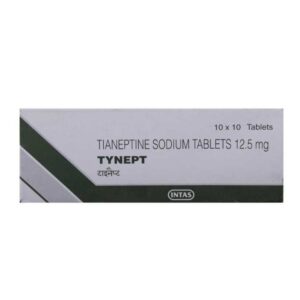
TYNEPT Intas 12.5mg is listed by Intas Pharmaceuticals as a product containing tianeptine sodium salt 12.5mg. Tianeptine is an antidepressant used in some countries to treat depressive disorders. However, its approval, prescribing requirements, and availability vary by country.
Although tianeptine has a medical role in certain jurisdictions, it is associated with important safety concerns, including dependence, withdrawal, misuse, and potentially life-threatening toxicity. The US Food and Drug Administration (FDA) has not approved tianeptine for any medical use and warns consumers about serious adverse effects. These US regulatory restrictions should be distinguished from the rules that apply in other countries.
This guide explains what is known about tianeptine, its possible medical role, side effects, interactions, and precautions. It is intended for educational purposes and does not replace the official product leaflet or advice from a qualified healthcare professional.
1. What Is TYNEPT Intas 12.5mg?
According to the manufacturer’s published product list, TYNEPT contains tianeptine sodium salt 12.5mg and belongs to the company’s neuropsychiatric medicine range.
Tianeptine is an atypical antidepressant. Its pharmacological activity differs from that of many commonly prescribed antidepressants, and research suggests that its effects involve several brain-signalling pathways, including glutamate-related mechanisms and opioid receptors.
The exact approved indications and prescribing instructions depend on the country and product information. Before relying on any medicine description, patients should verify the product name, active ingredient, strength, manufacturer, and registration status with a licensed pharmacist or the relevant national medicines regulator.
TYNEPT should not be confused with dietary supplements or unverified products marketed online under similar names.
2. What Is Tianeptine Used For? Tianeptine 12.5 mg – TYNEPT Intas Tianeptine 12.5 mg – TYNEPT Intas
In countries where tianeptine is approved, it is used primarily for the treatment of depressive disorders under appropriate medical supervision. Its role in treating other conditions should not be assumed without evidence and a locally approved indication.
Depression is a mental health condition that may involve persistent low mood, loss of interest, changes in sleep or appetite, difficulty concentrating, and impaired daily functioning. Treatment may include psychotherapy, medication, lifestyle support, or a combination of approaches.
The choice of treatment depends on the person’s symptoms, medical history, other medicines, previous treatment response, and preferences. A healthcare professional can discuss approved options and explain the expected benefits and risks. Tianeptine 12.5 mg – TYNEPT Intas Tianeptine 12.5 mg – TYNEPT Intas Tianeptine 12.5 mg – TYNEPT Intas Tianeptine 12.5 mg – TYNEPT Intas Tianeptine 12.5 mg – TYNEPT Intas Tianeptine 12.5 mg – TYNEPT Intas
Tianeptine should not be self-prescribed for depression, anxiety, pain, or opioid withdrawal. Unsupervised use can delay effective treatment and expose a person to serious harm.
3. How Does Tianeptine Work?
Tianeptine has a different pharmacological profile from many traditional antidepressants. Research suggests that its effects involve modulation of glutamate signalling and activity at opioid receptors, particularly the mu-opioid receptor.
These mechanisms may contribute to its effects on mood, but its complete therapeutic mechanism is not fully established. Its opioid-receptor activity is also relevant to its potential for misuse, dependence, and withdrawal.
It is important not to interpret a proposed mechanism as proof that a medicine is suitable for everyone or effective for every condition promoted online.
Clinical decisions should be based on appropriate evidence, the approved product information in the relevant jurisdiction, and an individual medical assessment.
4. Possible Side Effects and Serious Risks
Tianeptine may cause adverse effects, and the risks can increase with misuse, excessive doses, or combinations with other substances.
Reported effects include:
- Nausea and stomach discomfort
- Constipation
- Dizziness or headache
- Drowsiness or confusion
- Agitation or restlessness
- Sweating and changes in heart rate
- Changes in blood pressure
More serious effects associated with misuse or toxicity include severe sedation, slowed or stopped breathing, seizures, loss of consciousness, coma, and death. The FDA has reported serious adverse events associated with tianeptine-containing products.
Tianeptine also has a potential for dependence. People who become dependent may experience withdrawal symptoms when reducing or stopping use. These symptoms can include agitation, gastrointestinal problems, sweating, tremor, and rapid heartbeat.
Seek emergency medical assistance if a person develops difficulty breathing, collapses, becomes unresponsive, or experiences a seizure after taking tianeptine. Do not assume that a product is safe simply because it is labelled as a medicine or sold online.
5. Dependence, Withdrawal, and Responsible Medical Care
Dependence is an important consideration when evaluating tianeptine. Some people who misuse it report difficulty stopping and symptoms resembling opioid withdrawal.
Taking larger amounts than prescribed or using the medicine for unapproved purposes can increase risks. People with a history of substance-use disorders may need particular care and closer professional monitoring.
Anyone who has been taking tianeptine regularly and is concerned about dependence should speak with a healthcare professional rather than attempting an unsupervised treatment plan. A clinician can assess the situation and recommend appropriate support.
Do not use tianeptine as a substitute for established treatment for opioid use disorder. Evidence-based treatment options are available, and professional support can reduce the risks associated with withdrawal and relapse.
6. Drug Interactions and Safety Precautions
Tianeptine may interact with other medicines and substances, and combinations can increase the risk of serious adverse effects.
Particular caution is needed with alcohol, opioids, sedatives, and other substances that can cause drowsiness or suppress breathing. Combining tianeptine with other psychoactive medicines may also produce unpredictable effects.
Before starting or stopping any medicine, provide a doctor or pharmacist with a complete list of prescription medicines, over-the-counter products, supplements, and substances used.
Additional precautions include:
- Do not take a medicine that has not been verified by a licensed pharmacist.
- Do not increase the prescribed amount or use another person’s medicine.
- Avoid driving if affected by drowsiness, dizziness, or impaired concentration.
- Keep all medicines securely stored and away from children.
- Follow the official product leaflet and local prescribing requirements.
If the product’s authenticity or registration cannot be confirmed, seek professional advice before using it.
7. Product Verification and Regulatory Status
TYNEPT appears on Intas Pharmaceuticals’ published product list as tianeptine sodium salt 12.5mg. This supports the product identification but does not independently establish current registration or availability in every country.
Regulatory status matters because medicines approved in one jurisdiction may not be approved in another. In the United States, the FDA states that tianeptine is not approved for any medical use and warns against products containing it. Some other countries have permitted its use as a prescription antidepressant, while introducing restrictions or warnings related to misuse and dependence.
Before using or publishing claims about TYNEPT, verify:
- The active ingredient and stated strength.
- The manufacturer’s details and packaging.
- The registration status in the country where the medicine is supplied.
- The official indications and patient information leaflet.
- Any local restrictions on prescribing or dispensing.
A product listing alone is not proof that a medicine is appropriate for a particular person. For reliable guidance, consult a licensed pharmacist or qualified healthcare professional.
Frequently Asked Questions
What is TYNEPT Intas 12.5mg?
It is listed by Intas Pharmaceuticals as a product containing tianeptine sodium salt 12.5mg. Check the package and local registration records to verify the product supplied.
Is tianeptine an antidepressant?
Yes. Tianeptine is used as a prescription antidepressant in some countries, although its regulatory status differs internationally.
Can tianeptine cause dependence?
Yes. Tianeptine has a recognised potential for misuse, dependence, and withdrawal, particularly when taken in excessive amounts or outside medical supervision.
Is tianeptine approved by the US FDA?
No. The FDA has not approved tianeptine for any medical use and has issued warnings about serious health risks associated with tianeptine products.
Can TYNEPT be combined with alcohol or sedatives?
Combining tianeptine with alcohol, opioids, or sedatives can increase the risk of serious toxicity. Consult a healthcare professional before combining medicines or other substances.
Conclusion
TYNEPT Intas 12.5mg is listed as containing tianeptine sodium salt, an antidepressant used in certain countries. Its medical role must be considered alongside important risks, including dependence, withdrawal, interactions, and potentially life-threatening toxicity.
Patients should verify the product’s identity and local regulatory status, follow professional medical advice, and avoid unsupervised use. Anyone experiencing severe symptoms after taking tianeptine should seek urgent medical assistance.
Medical disclaimer: This article is for educational purposes only. It does not constitute medical advice, establish product authenticity, or recommend self-treatment. Always consult a qualified healthcare professional and follow the applicable official product information.
References
- Intas Pharmaceuticals. Official product list.
- US Food and Drug Administration. Tianeptine: Consumer safety information.
- US Food and Drug Administration. Tianeptine products linked to serious harm, overdoses, and death.
- Poison Control. Tianeptine: Risks, overdose, and withdrawal.