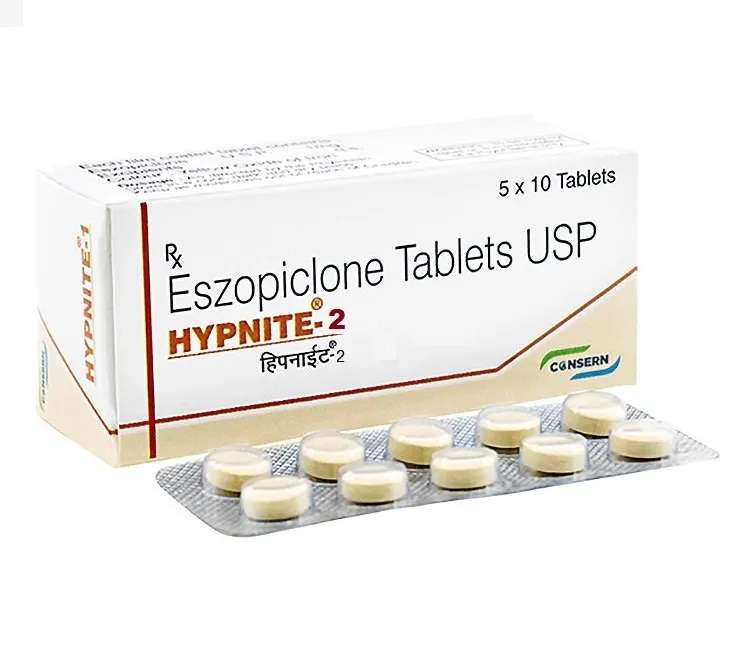
Hypnite 1 mg, 2 mg, and 3 mg: 7 Important Facts About Eszopiclone, Risks, and Safety
Introduction
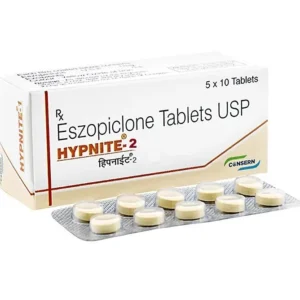
Eszopiclone – Hypnite-1, 2, 3 is a product name associated with eszopiclone, a prescription medicine used to treat insomnia. Insomnia can involve difficulty falling asleep, waking repeatedly during the night, or waking too early. Eszopiclone belongs to a group of medicines that act on the central nervous system to promote sleep.
Hypnite listings may refer to 1 mg, 2 mg, or 3 mg strengths. However, the exact ingredients, manufacturer, formulation, and approval status of a specific Hypnite product should be independently verified with a licensed pharmacist. Product names and stated strengths alone do not confirm authenticity or regulatory approval.
Eszopiclone can cause next-day impairment, dependence, and potentially dangerous sleep-related behaviours. Understanding these risks is essential before considering any prescription sleep medicine.
1. What Is Hypnite?
Hypnite is a product name associated with eszopiclone, a sedative-hypnotic medicine prescribed for insomnia. Eszopiclone affects brain signalling involved in sleep and relaxation, helping some patients fall asleep and remain asleep.
The strengths 1 mg, 2 mg, and 3 mg describe the amounts stated in the product listing. They should not be treated as interchangeable, and the correct strength depends on a clinician’s assessment and the applicable prescribing information.
Before relying on a Hypnite product, verify its active ingredient, manufacturer, packaging, batch number, expiry date, and registration status. A pharmacist can help determine whether the product is authorised and appropriate for the intended patient.
2. What Is Eszopiclone Used For?
Eszopiclone is used to treat insomnia in adults. Insomnia symptoms can include:
- Difficulty falling asleep.
- Repeated awakenings during the night.
- Difficulty returning to sleep after waking.
- Sleep disruption that affects concentration, mood, and daily functioning.
The medicine may help reduce the time needed to fall asleep and improve sleep maintenance. However, persistent sleep difficulties can have many causes, including stress, anxiety, depression, pain, irregular schedules, and other medical conditions.
A healthcare professional should assess ongoing sleep problems rather than relying on sleeping medication alone. Cognitive behavioural therapy for insomnia (CBT-I), along with appropriate changes to sleep habits, may provide longer-lasting benefits for some people.
3. Understanding the 1 mg, 2 mg, and 3 mg Strengths
Different strengths of eszopiclone may be prescribed depending on individual circumstances, response to treatment, other medicines, and risk factors.
Official U.S. prescribing information lists 1 mg as the recommended starting dose for eszopiclone tablets, with increases to 2 mg or 3 mg only when clinically indicated. The total dose should not exceed the applicable prescribing limit. This information does not establish the approval status or formulation of a particular Hypnite-branded product.
Higher strengths can increase the risk of next-day drowsiness and impaired driving or other activities requiring alertness. Older adults and people with certain medical conditions may require different prescribing considerations.
Never select a strength based on a product listing, another person’s experience, or the assumption that a higher strength will work better. A qualified prescriber must determine the appropriate treatment.
4. How Does Eszopiclone Work?
Eszopiclone acts on GABA-related signalling pathways in the brain. GABA is a chemical messenger that helps reduce nervous system activity. By influencing these pathways, eszopiclone produces sedative effects that can help promote sleep.
Its effects may continue into the following morning. A person may experience slower reaction times, reduced coordination, memory difficulties, or impaired judgement, even when they feel awake.
The medicine does not replace adequate sleep or resolve every underlying cause of insomnia. If sleep difficulties persist despite treatment, a healthcare professional should reassess the diagnosis and treatment plan.
5. Possible Side Effects and Serious Warnings
Commonly reported side effects of eszopiclone include:
- An unpleasant or metallic taste.
- Dry mouth.
- Headache.
- Dizziness.
- Daytime drowsiness.
- Reduced alertness or coordination.
Some reactions can be serious. Eszopiclone carries a boxed warning concerning complex sleep behaviours, including sleepwalking, sleep-driving, preparing food, making phone calls, or performing other activities while not fully awake. Serious injuries and deaths have been reported, and the person may not remember the event.
If a complex sleep behaviour occurs, discontinue the medicine and contact a healthcare professional immediately. People who have previously experienced such behaviour with eszopiclone should not take it again.
Severe allergic reactions, significant breathing difficulties, or inability to wake someone after taking a sedative require emergency medical attention.
6. Drug Interactions and Safety Precautions
Eszopiclone can interact with other substances that slow activity in the central nervous system. Combining these substances may increase sedation and the risk of serious complications.
Important precautions include:
- Alcohol: Avoid alcohol while taking eszopiclone because it can intensify sedation and impairment.
- Opioids: Combining eszopiclone with opioid medicines may increase the risk of profound sedation and respiratory depression.
- Other sedatives: Benzodiazepines, other sleeping medicines, and sedating antihistamines may increase adverse effects.
- Existing health conditions: Breathing disorders, liver problems, depression, and a history of substance-use problems should be discussed with a clinician.
- Driving: Do not drive or operate machinery if drowsy or impaired. Follow the official product instructions regarding the required sleep period and next-day activities.
Tell a healthcare professional about all prescription medicines, non-prescription products, and supplements before treatment begins.
7. Dependence, Withdrawal, and Product Verification
Eszopiclone may cause physical dependence, tolerance, and misuse, especially when taken for longer than prescribed or in higher amounts than directed. Stopping after regular use can lead to withdrawal symptoms or rebound insomnia. Anyone taking it regularly should ask a prescriber how to discontinue it safely. Eszopiclone – Hypnite-1, 2, 3 Eszopiclone – Hypnite-1, 2, 3 Eszopiclone – Hypnite-1, 2, 3 Eszopiclone – Hypnite-1, 2, 3 Eszopiclone – Hypnite-1, 2, 3
Product verification is equally important. The name Hypnite and a stated strength do not independently prove that a medicine is genuine, correctly manufactured, or authorised for sale.
Before using a product, ask a licensed pharmacist to verify the manufacturer, active ingredient, strength, batch details, expiry date, and local registration status. Avoid using a product if its identity or supply chain cannot be confirmed.
Frequently Asked Questions
What is Hypnite used for?
Hypnite is a product name associated with eszopiclone, a prescription medicine used to treat insomnia in adults. The identity and approval status of a particular product should be verified.
Are Hypnite 1 mg, 2 mg, and 3 mg interchangeable?
No. Different strengths should not be treated as interchangeable. A healthcare professional should determine the appropriate treatment based on the individual and the verified product.
Can eszopiclone cause next-day drowsiness?
Yes. Eszopiclone can impair alertness, coordination, and driving ability the following day, particularly at higher strengths or when combined with other sedating substances.
Can eszopiclone cause unusual sleep behaviours?
Yes. Sleepwalking, sleep-driving, and other activities performed while not fully awake have been reported. If one occurs, stop the medicine and contact a healthcare professional immediately.
Can eszopiclone cause dependence?
Yes. Dependence and withdrawal symptoms are possible. Use the medicine only as prescribed and seek professional guidance before stopping regular treatment.
Conclusion Eszopiclone – Hypnite-1, 2, 3 Eszopiclone – Hypnite-1, 2, 3 Eszopiclone – Hypnite-1, 2, 3 Eszopiclone – Hypnite-1, 2, 3 Eszopiclone – Hypnite-1, 2, 3 Eszopiclone – Hypnite-1, 2, 3 Eszopiclone – Hypnite-1, 2, 3
Hypnite is associated with eszopiclone, a prescription medicine used to treat insomnia in adults. Although it may help improve sleep, it carries important risks, including next-day impairment, complex sleep behaviours, interactions, and dependence. The 1 mg, 2 mg, and 3 mg listings should be verified against the exact product’s authorised information. Medical supervision and reliable product verification are essential.
Medical disclaimer: This article is for educational purposes only and does not replace professional medical advice, diagnosis, or treatment. Do not start, change, combine, or discontinue prescription sleep medication without guidance from a qualified healthcare professional.
References
- DailyMed. Eszopiclone Tablets: Prescribing Information.
- U.S. Food and Drug Administration. FDA warning about serious injuries from complex sleep behaviours.
- DailyMed. Eszopiclone Drug Label and Safety Information.