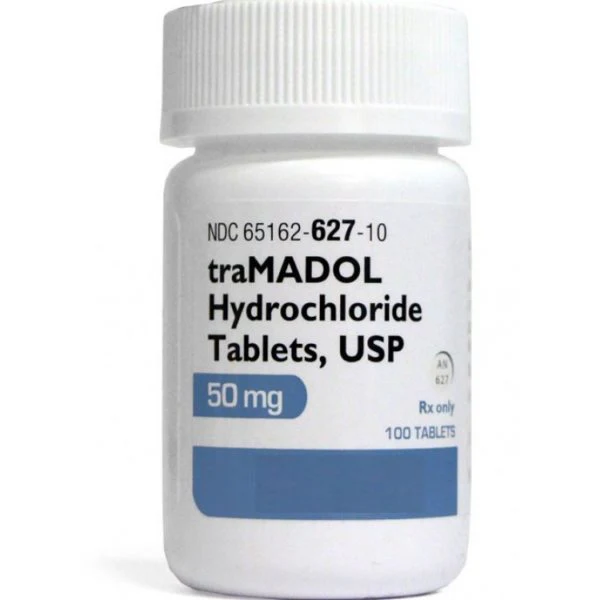
Tramadol 50mg is a prescription pain-relief medication used to manage certain types of moderate to moderately severe pain when a healthcare professional determines that opioid treatment is appropriate. It acts on the central nervous system by influencing opioid receptors and neurotransmitters involved in pain signaling. Although tramadol may provide relief for selected patients, it carries important risks, including drowsiness, dependence, seizures, and potentially life-threatening breathing problems. Understanding its medical uses, side effects, and safety precautions is essential for responsible treatment.
What Is Tramadol 50mg?
Tramadol is an opioid analgesic available in different formulations and strengths. The 50mg designation refers to the stated strength of the medication, commonly associated with immediate-release formulations. Extended-release products have different characteristics and must be identified separately.
Healthcare professionals may consider tramadol when other pain-management options are insufficient or unsuitable. Whether it is appropriate depends on the cause and severity of pain, medical history, other medicines, and individual risk factors.
Tramadol is subject to prescription and regulatory controls in many countries because it can cause physical dependence, misuse, and overdose. Its legal classification varies by jurisdiction.
What Is Tramadol 50mg Used For?
Tramadol may be prescribed for certain types of pain when a clinician considers its potential benefits to outweigh the risks.
Possible clinical situations include:
- Acute pain requiring prescription treatment.
- Pain following certain medical procedures.
- Selected cases of ongoing pain when other treatments have not provided adequate relief.
The underlying cause of pain should be assessed before treatment. Depending on the condition, a healthcare professional may recommend non-opioid medication, physical therapy, rehabilitation, or other approaches.
Tramadol is not suitable for every type of pain, and its use should be reviewed regularly. It should not be taken from another person’s prescription or used for recreational purposes.
How Does Tramadol Work?
Tramadol works through more than one mechanism. It activates opioid receptors involved in the perception of pain and also affects the reuptake of serotonin and norepinephrine, neurotransmitters that participate in the body’s pain-modulation pathways.
These actions can reduce the perception of pain, but they can also produce unwanted effects such as dizziness, nausea, sleepiness, and impaired coordination.
Individual responses vary because metabolism, other medications, age, and health conditions can influence how tramadol affects the body.
Possible Side Effects of Tramadol 50mg
Like other opioid medications, tramadol can cause adverse effects. Commonly reported side effects include:
- Nausea or vomiting.
- Constipation.
- Dizziness or lightheadedness.
- Drowsiness and fatigue.
- Headache.
- Dry mouth.
- Sweating.
Some effects may interfere with daily activities or increase the risk of falls. Avoid driving or operating machinery if alertness or coordination is impaired.
Seek emergency medical attention if someone experiences slow or shallow breathing, extreme sleepiness, difficulty waking, collapse, or loss of consciousness. These may be signs of an opioid overdose.
Seizures and serotonin syndrome are also serious potential complications. Warning signs of serotonin syndrome can include agitation, fever, heavy sweating, tremor, muscle stiffness, and confusion, particularly when tramadol is combined with certain other medicines.
Important Safety Precautions
Tramadol requires careful medical assessment because it can affect breathing, consciousness, and the nervous system.
Breathing problems
The risk of respiratory depression is greater when tramadol is combined with alcohol, benzodiazepines, sleeping medications, other opioids, or other central nervous system depressants. People with certain breathing disorders may need an alternative treatment or additional monitoring.
Seizure risk
Tramadol can cause seizures, including in some people without a previous seizure disorder. The risk may increase with certain antidepressants, other medicines that lower the seizure threshold, or inappropriate use.
Dependence and withdrawal
Regular use can lead to physical dependence. Suddenly stopping after sustained use may cause withdrawal symptoms. A healthcare professional can advise whether a gradual reduction is needed.
Liver and kidney conditions
Liver or kidney impairment can affect the processing or elimination of tramadol. A clinician should consider these conditions when selecting and monitoring treatment.
Pregnancy and breastfeeding
Discuss tramadol use with a healthcare professional during pregnancy or breastfeeding because of potential risks to the baby, including withdrawal or breathing complications in certain circumstances.
Tramadol 50mg and Drug Interactions
Tramadol can interact with a range of medications. Important examples include:
- Antidepressants: Some increase the risk of serotonin syndrome or seizures.
- Benzodiazepines and sleeping medicines: These can increase sedation and breathing-related risks.
- Other opioids: Combining opioid medications can increase overdose risk.
- Alcohol: Alcohol can intensify sedation and respiratory depression.
- Certain medicines affecting drug metabolism: These may change tramadol levels or the effects of its active metabolite.
Tell the prescriber and pharmacist about every prescription medicine, nonprescription product, and supplement being used. Do not combine tramadol with other sedating substances unless a qualified clinician has specifically assessed the risks.
Safe Storage and Medication Verification
Store tramadol in its original labeled packaging in a secure location away from children, visitors, and anyone for whom it was not prescribed. Follow local rules for controlled medications and ask a pharmacist about safe disposal of unused tablets.
Check the active ingredient, stated strength, formulation, packaging, manufacturer information, and expiry date. Tablet appearance alone cannot confirm authenticity. Obtain medication through a licensed pharmacy and consult a pharmacist if the product or packaging appears unusual.
Frequently Asked Questions
What is tramadol 50mg prescribed for?
Tramadol may be prescribed for certain types of moderate to moderately severe pain when a clinician determines that opioid treatment is appropriate.
Can tramadol cause drowsiness?
Yes. Drowsiness, dizziness, and impaired coordination are possible. Avoid driving or hazardous activities if affected.
Can tramadol cause dependence?
Yes. Physical dependence and withdrawal can occur, especially with repeated use. Discuss any plan to stop regular treatment with a healthcare professional.
Can tramadol be taken with antidepressants?
Some combinations can increase the risk of serotonin syndrome or seizures. A prescriber or pharmacist should review the exact medications before they are combined.
What should someone do if an overdose is suspected?
Seek emergency medical help immediately if someone has slow breathing, extreme sleepiness, or difficulty waking. If naloxone is available, use it according to its instructions while emergency assistance is on the way. Stay with the person and follow the emergency operator’s directions.
Conclusion
Tramadol 50mg is a prescription opioid pain medication that may be appropriate for selected patients following a clinical assessment. It can help relieve certain types of pain, but important risks include nausea, dizziness, seizures, serotonin syndrome, dependence, and dangerous breathing problems. Medical supervision, careful review of drug interactions, secure storage, and adherence to professional instructions are essential for safer use.


Reviews
There are no reviews yet.